Quick answer: Seven days in Thailand covers Bangkok and one other region properly. Bangkok, a day in Ayutthaya and three nights in Chiang Mai works because the internal flight is 70 minutes. Bangkok plus the southern islands does not, because the transfers alone take two of your seven days.
The mistake almost every seven-day Thailand plan makes is trying to end on a beach. It is an understandable instinct and it wrecks the week. Getting from Bangkok to Koh Phangan or Koh Tao means a flight or a night bus to Surat Thani, then a ferry that runs to its own timetable, then the same in reverse with a buffer day so you do not miss your flight home. That is two days of moving for two and a half days of sand.
Go north instead. Chiang Mai is 70 minutes from Bangkok by air for 1,100-2,000 THB, sits at 300 metres so the evenings are 5-8°C cooler, and gives you a completely different Thailand rather than a slightly wetter version of the same one. Save the islands for a trip where they get ten days to themselves.
Why do the southern islands not fit into seven days?
Run the arithmetic. A Bangkok to Koh Samui flight is about 1 hour 10 minutes but costs 3,500-6,000 THB because Samui is a privately operated airport with one main carrier. The cheap route is a flight to Surat Thani at 1,200-2,000 THB, a 90-minute bus to Donsak pier, and a 90-minute ferry, which totals five to six hours door to door if every connection lands. Koh Tao adds a further 2 hours 30 minutes on the water.
Then you need a full buffer day at the end, because ferries are cancelled for weather with no notice and missing an international flight costs more than the whole trip. Seven days becomes three usable island days, and you have paid twice for the privilege of rushing.
If a fortnight is genuinely available, the calculus changes completely and the islands become the right answer. Two weeks is also enough for the overland route into Vietnam, which we cover in our two-week Vietnam itinerary.
The seven-day route
Days 1-3: Bangkok
From Suvarnabhumi, the Airport Rail Link reaches Phaya Thai in 26 minutes for 45 THB, which is faster than a taxi at almost any hour and costs a fifteenth as much. From Don Mueang, take the A1 bus to Mo Chit for 30 THB.
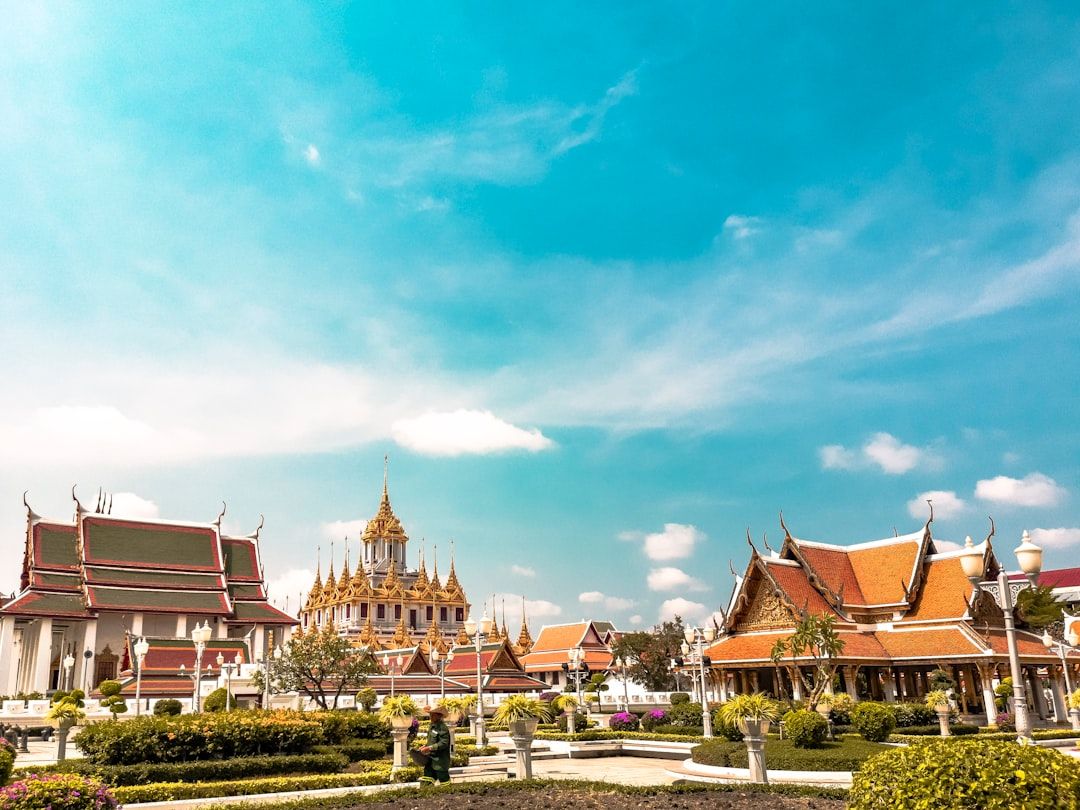
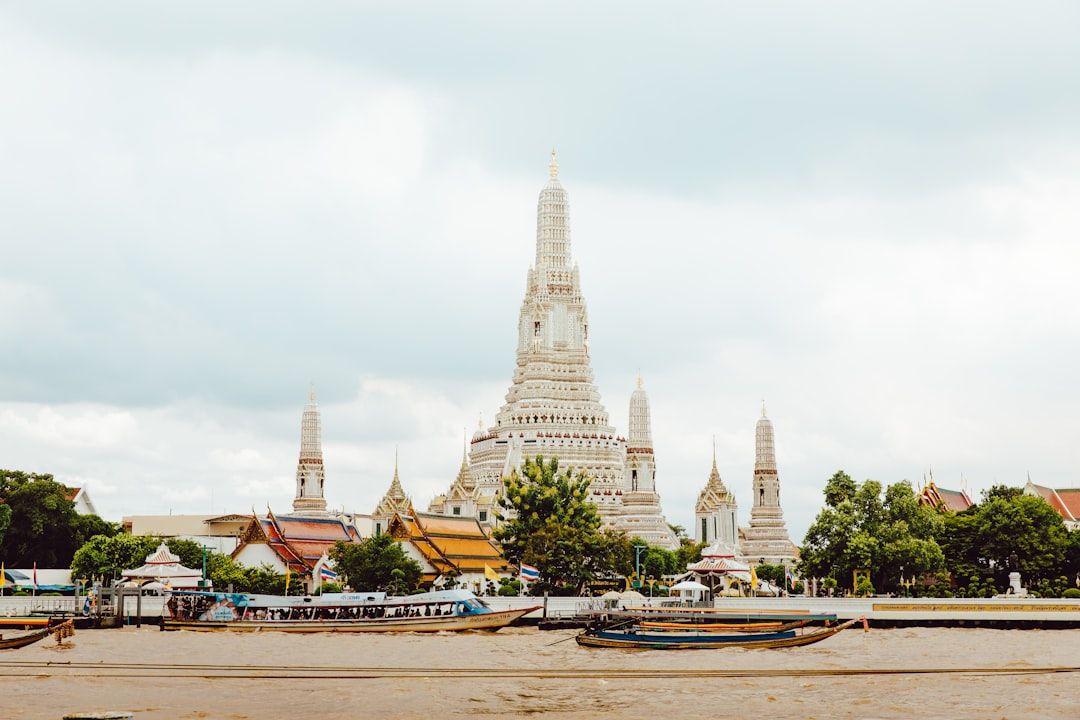
Give day one to Rattanakosin, the old royal island. The Grand Palace opens 08:30 and closes at 15:30, costs 500 THB, and enforces its dress code at the gate — shoulders and knees covered, no exceptions, sarong hire about 200 THB with a deposit. Arrive at 08:30 rather than 10:00 and you will be through the complex before the coach groups land. Wat Pho next door is 300 THB and includes the reclining Buddha and a cold bottle of water. The cross-river ferry from Tha Tien to Wat Arun is about 5 THB and is the best value boat ride in Asia.
Day two belongs to Chinatown and the river. Yaowarat Road only makes sense after 18:00, when the street kitchens set up and the whole road turns into an open-air canteen. Day three is for whichever Bangkok you actually want: the Jim Thompson House at 200 THB, Chatuchak weekend market if it falls on a Saturday or Sunday, or the canals of Thonburi by longtail. If Bangkok grabs you, our seven-day Bangkok itinerary gives the city a week on its own.
Day 4: Ayutthaya
The old capital is 80 kilometres north and makes a genuinely good day trip rather than a dutiful one. Trains leave Krung Thep Aphiwat Central Terminal through the morning, take 1 hour 30 minutes to 2 hours, and cost 15-345 THB depending on class. Buy at the counter on the day; it does not sell out.
Hire a bicycle outside Ayutthaya station for 50-100 THB a day. The temple sites are 2-4 kilometres apart on flat ground, and a bike turns a hot shuttle between car parks into a pleasant morning. A combined ticket covering six of the main sites is around 220 THB against 50 THB each individually. Wat Chaiwatthanaram is the one to see at the end of the day, when the light is on the western prangs. Be back at the station for the 17:00-18:00 departures.
Days 5-7: Chiang Mai
Fly on the morning of day five. Thai Lion Air, Thai Vietjet and Thai AirAsia all run the Bangkok to Chiang Mai route at 1,100-2,000 THB booked a few weeks out, and the flight is 70 minutes.
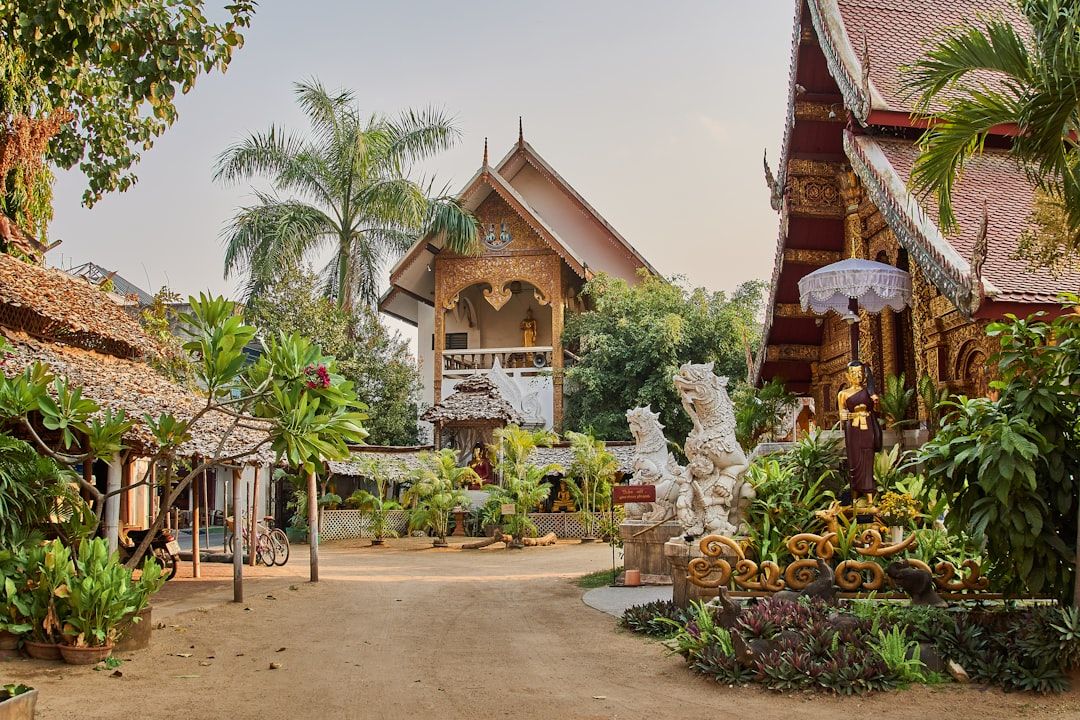
Stay inside or just outside the Old City square. Nimmanhaemin is the coffee and co-working district and is fine if that is your thing, but it is a 15-minute drive from the temples. Wat Phra Singh and Wat Chedi Luang are both inside the moat and both charge 50 THB.
Doi Suthep is the half-day trip that earns its place. A shared songthaew from Chang Phueak Gate is 100-150 THB each way, the road climbs 15 kilometres of switchbacks, and the temple at the top charges 30 THB. Go early: cloud commonly closes the view over the valley from mid-morning in the cool season.
On elephants, be direct with yourself. Riding camps are still sold hard in Chiang Mai and they are not defensible. Genuine observation-only sanctuaries charge 2,500-3,000 THB for a half day, do not let you sit on the animals, and will tell you where each elephant came from. If the operator offers riding or bathing shows, book elsewhere.
Should you fly or take the sleeper train to Chiang Mai?
| Overnight train | Domestic flight | |
|---|---|---|
| Journey time | 12-14 hours | 70 minutes |
| Typical cost | 800-1,400 THB, second-class air-conditioned sleeper | 1,100-2,000 THB booked ahead |
| Departs | Krung Thep Aphiwat, late afternoon and evening | Don Mueang and Suvarnabhumi, all day |
| Saves a hotel night | Yes | No |
| Costs you daylight | No, if you take the 18:00-20:00 departures | Half a morning with transfers |
| Verdict on a 7-day trip | Worth it once, for the experience and the saved night | The default choice |
The lower berths are wider, have a window and cost about 100-200 THB more than the uppers. Book them through the State Railway site as soon as your dates are set, because sleeper berths do sell out weeks ahead in the December to February high season.
What does a week in Thailand cost?
| Category | Budget | Mid-range | Comfortable |
|---|---|---|---|
| Accommodation per night | 400-700 THB | 1,200-2,500 THB | 3,500-6,000 THB |
| Food per day | 250-350 THB (street and market) | 600-900 THB | 1,500 THB+ |
| City transport per day | 60-100 THB | 150-250 THB | 400 THB (Grab everywhere) |
| Bangkok to Chiang Mai | 800 THB (train) | 1,500 THB (flight) | 2,500 THB |
| Entry tickets, whole week | 800 THB | 1,500 THB | 3,000 THB |
| Week total | about £180-260 | about £480-850 | £1,300+ |
Thailand is one of the few destinations where the mid-range column buys something genuinely comfortable rather than merely adequate. At 2,000 THB a night you are in a well-run boutique hotel with a pool, not a compromise.
What is overrated on the standard Thailand circuit?
- Khao San Road. Worth twenty minutes as a piece of travel history. It is now a bar strip selling scorpions on sticks to people photographing each other.
- The floating markets sold as day trips. Damnoen Saduak is 100 kilometres from Bangkok and is a boat-borne souvenir stall. Amphawa on a weekend evening is the one locals actually use.
- Tiger attractions. Every one of them, without qualification.
- The tuk-tuk city tour. The fixed 20-40 THB ‘special price’ tour ends at a gem shop or a tailor. A metered taxi from a 35 THB flagfall costs less and goes where you asked.
- Rooftop bars with a dress code. A 450 THB cocktail buys the same skyline you get from the Chao Phraya express boat at 16 THB.
When should you go?
November to February is the cool, dry season and the reason those months cost more. Bangkok sits at 25-32°C with low humidity and Chiang Mai drops to 14-16°C overnight, which is genuinely cold if you packed only shorts.
March to May is the hot season, reaching 40°C in Bangkok. More importantly, the northern agricultural burning season runs through March and into April, and Chiang Mai regularly records some of the worst air quality readings in the world during it. If your only window is March, swap the north for the coast.
June to October is the green season. Rain arrives as a heavy afternoon downpour lasting 45 minutes or so rather than all-day drizzle, prices drop 30-40%, and the countryside looks its best. Songkran falls on 13-15 April every year: joyful, extremely wet, and not the week to move between cities with a rucksack.
What to book before you fly
- The Bangkok to Chiang Mai flight or sleeper berth — three to six weeks ahead, earlier for December and January.
- The first two nights in Bangkok — arriving jet-lagged without a room is the one false economy here.
- An elephant sanctuary place, if you want one — the reputable operators cap numbers and fill a fortnight out.
- Nothing else. Temples, trains to Ayutthaya, songthaews and food all work perfectly well on the day.
A week structured this way gives you three genuinely different places, one internal flight, and no day spent entirely in transit. If you find yourself with fourteen days instead of seven, the honest advice is to slow this route down rather than add to it, or look at how a longer Asian trip is paced in our 14-day Japan itinerary.
Frequently Asked Questions
Is 7 days enough for Thailand?
Seven days covers Bangkok and one other region properly. Bangkok plus Chiang Mai works because the flight is 70 minutes. Bangkok plus the southern islands does not, because you lose the best part of two days to transfers and ferry timings.
How much does a week in Thailand cost?
About £480-850 per person excluding international flights. Mid-range doubles run 1,200-2,500 THB a night, street food costs 50-80 THB a dish, and a Bangkok to Chiang Mai flight is 1,100-2,000 THB booked a few weeks out.
Should you fly or take the sleeper train from Bangkok to Chiang Mai?
Fly, unless the train is the point of the trip. The overnight service takes 12-14 hours and costs 800-1,400 THB in a second-class air-conditioned sleeper, while the flight takes 70 minutes for a similar price. The train does save you one night of accommodation.
When is the best time to visit Thailand?
November to February, when the north is dry and Bangkok’s humidity drops. March to May is the hot season with temperatures near 40°C, and the northern burning season in March gives Chiang Mai some of the worst air quality in the world.