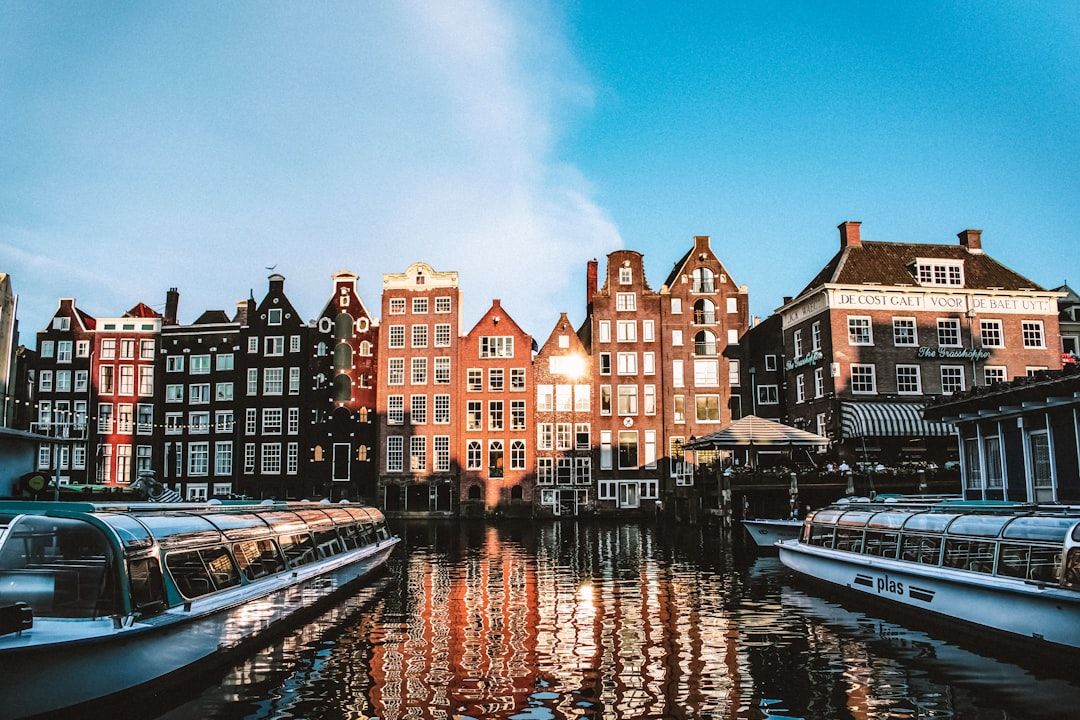
Quick answer: Two weeks in Europe works best as one rail corridor, not a greatest-hits tour. Amsterdam, Berlin, Prague, Vienna and Budapest sit on about 17 hours of train track in total, cost roughly £1,450-2,100 per person for the fortnight, and let you spend three nights in each city instead of two.
The single thing most people get wrong about a two-week Europe trip is its shape. They open a map, pick London, Paris, Rome and Barcelona, and end up with four of the most expensive and most widely separated cities on the continent, joined by flights that eat a day each. Fourteen days quietly becomes nine days of sightseeing and five days of airports.
Do the opposite. Pick one continuous rail corridor and stay on it. The Amsterdam to Budapest run is the strongest choice for a first trip: every leg is a direct train, the longest single journey is about six hours, and the eastern half of the route costs roughly 40% less per day than the western half, which is what funds the fortnight.
Why does the London, Paris and Rome route fail in two weeks?
Because the distances are wrong for the time available. London to Paris is fine at 2 hours 16 minutes on Eurostar. Paris to Rome is not: the rail journey runs close to 11 hours with a change, so nearly everyone flies, which means a transfer to the airport, security, a 06:00 gate and a transfer at the other end. Add Barcelona and you do that twice.
The second problem is money. A mid-range double in central Paris runs €150-220 a night in shoulder season. The same standard of room in Budapest is €55-85. Across thirteen nights that gap alone is more than £700, which is more than the entire rail bill for this itinerary.
If you have your heart set on the western capitals, give them their own trip rather than bolting them on. Our three-day Paris plan and five-day London itinerary both stand on their own.
The route, day by day
Thirteen nights, five cities, four train journeys. Three nights in each city, except Berlin, which gets four because it is the one stop where the sights are genuinely spread across the map.
Days 1-3: Amsterdam
The train from Schiphol to Amsterdam Centraal takes 17 minutes and costs about €5.90, which makes a taxi pointless. Stay in De Pijp or Oud-West rather than on the canal ring: you are ten minutes from the centre by tram 12 or 24 and paying €40-60 a night less.
Anne Frank House tickets go on sale exactly six weeks ahead at 10:00 CET and disappear the same morning. Put a calendar reminder on the release date before you book anything else, because there is no on-the-day queue to fall back on. The Rijksmuseum is €24 and worth a full morning; the Van Gogh Museum next door is €22 and worth ninety minutes. On day three take the 15-minute train to Haarlem, which gives you the same seventeenth-century streets with a fraction of the foot traffic. There is more detail in our three-day Amsterdam itinerary.
Days 4-7: Berlin
The direct Intercity from Amsterdam takes about six hours. Advance Sparpreis fares start near €35.90 and rise sharply inside three weeks. Book the moment your dates are fixed.
Stay in Kreuzberg or Neukölln. Mitte is convenient and dull, and it costs 30% more. Four nights sounds generous until you realise the Berlin Wall Memorial on Bernauer Straße, the Reichstag dome, Museum Island and Sachsenhausen are in four different directions. Book the Reichstag dome online at least a fortnight ahead; it is free but requires a passport-checked slot. Sachsenhausen is 45 minutes on the S1 to Oranienburg and entry costs nothing.
One honest warning: the Pergamon Museum, the single building most people come to Museum Island for, is closed for a full refurbishment and its main hall is not due to reopen until 2027. The Neues Museum and the Alte Nationalgalerie are open and included in the €24 area ticket, but do not plan your Berlin days around the Pergamon Altar.
Days 8-10: Prague
The EuroCity from Berlin follows the Elbe valley for two of its four and a quarter hours and is the prettiest leg of the route. Sit on the right-hand side heading south. Advance fares start around €19.90, and the low-cost operator RegioJet undercuts that.
Base yourself in Vinohrady or Žižkov, not the Old Town. A half-litre of Pilsner in a Žižkov pub is 45-60 CZK; the same beer on Old Town Square is 120-150 CZK for a worse pour. Tram 22 runs from the centre up to Pražský hrad and saves you the climb. Charles Bridge is genuinely lovely before 08:00 and genuinely unbearable between 10:00 and 18:00 — there is no middle ground, so set an alarm.
Days 11-12: Vienna
Railjet covers Prague to Vienna in about four hours from €24, and RegioJet does the same run from €19 with coffee brought to your seat. Two nights is deliberate: Vienna is the second most expensive stop after Amsterdam and its highlights are compact.
The Kunsthistorisches Museum is €21 and holds the best Bruegel collection in the world. The Belvedere is €17.50 and holds the Klimt. Do one properly rather than both badly. Stay in the 7th district, Neubau, where the rooms are cheaper and the coffee houses are not charging for the view.
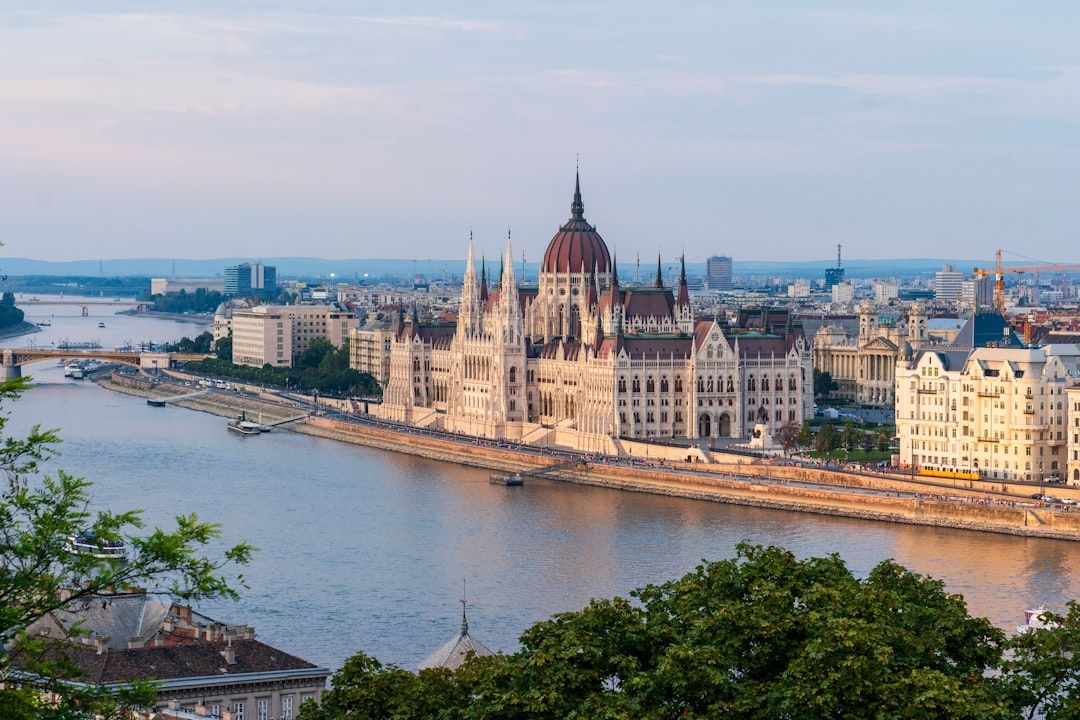
Days 13-14: Budapest
Railjet reaches Budapest Kelenföld in 2 hours 40 minutes from about €19. This is where the budget recovers: dinner and drinks for two in District VII runs 12,000-18,000 HUF, roughly half what Vienna charges.
Széchenyi thermal baths cost around 11,000 HUF on a weekday and less if you go before 09:00. For the airport, the 100E express bus is 2,200 HUF and takes 40 minutes, which beats a taxi in traffic and costs a tenth as much.
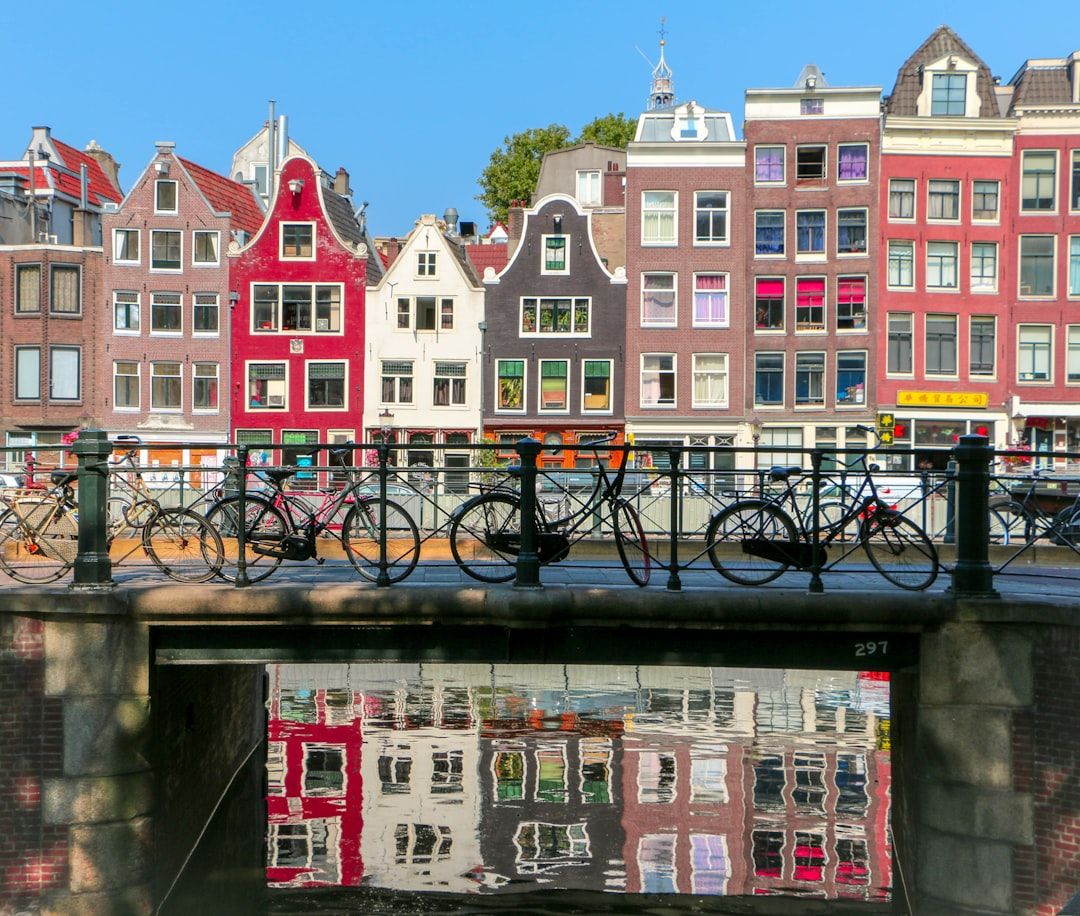
How long is each train leg?
| Leg | Journey time | Advance fare from | Operator |
|---|---|---|---|
| Amsterdam → Berlin | about 6 hours | €35.90 | NS / Deutsche Bahn IC |
| Berlin → Prague | 4 hours 15 minutes | €19.90 | EuroCity / RegioJet |
| Prague → Vienna | 4 hours | €19 | Railjet / RegioJet |
| Vienna → Budapest | 2 hours 40 minutes | €19 | Railjet |
Seventeen hours of trains across fourteen days, spread over four travel days. Compare that with the flight-based alternative, where four short flights consume roughly the same time once transfers and check-in are counted, cost more, and give you nothing to look at.
What does two weeks in Europe actually cost?
| Category | Budget | Mid-range | Comfortable |
|---|---|---|---|
| Accommodation per night | £28-40 (hostel twin) | £60-95 (three-star double) | £110-160 |
| Food and drink per day | £22 | £45 | £80 |
| Entry tickets per day | £8 | £15 | £25 |
| Rail, four legs advance | £95 | £120 | £190 (first class) |
| City transport, whole trip | £55 | £70 | £70 |
| Fortnight total | £930-1,080 | £1,450-2,100 | £2,700+ |
The eastern half of the route is what makes the mid-range column achievable. Budapest and Prague run 35-45% cheaper than Amsterdam on food and accommodation, so the last five days cost about what the first three did.
Is an Interrail pass worth it on this route?
No, and this is where a lot of first-trip budgets leak. A pass is priced for people who move most days. This itinerary moves four times.
| Option | Cost | Best for |
|---|---|---|
| Interrail Global Pass, 7 days in 1 month, adult second class | about €339 | Open-ended trips with unfixed dates |
| Same pass, under-28 youth fare | about €271 | Under-28s making six or more journeys |
| Four advance point-to-point tickets | €95-140 | This route, booked 4-8 weeks out |
| Four walk-up tickets bought on the day | €240-310 | Nobody, if you can avoid it |
Buy the four tickets as soon as your dates are locked. German and Czech operators release cheap fares about six months ahead and withdraw them progressively, so the price you see in April for a July journey is roughly the floor.
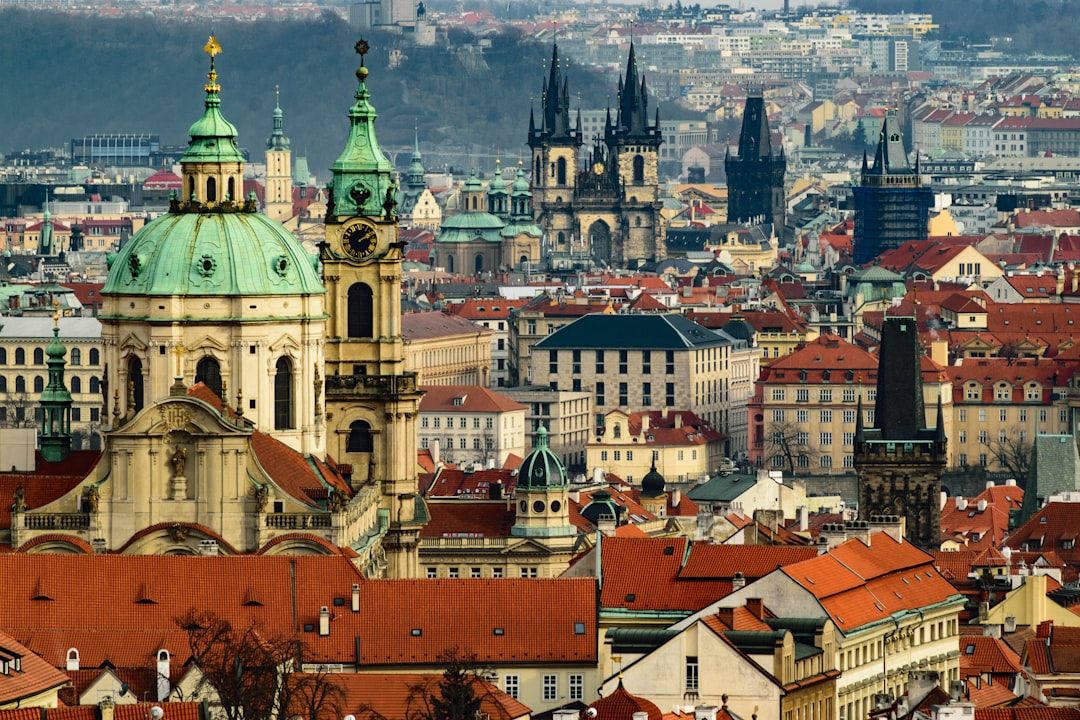
What is overrated on this route?
- Berlin TV Tower. €25 or so for a lift queue and a view that includes everything except the building you are standing in. Panoramapunkt at Potsdamer Platz is around €9 and gives you the skyline with the tower in it.
- The astronomical clock show in Prague. Four hundred people crane upwards, twelve apostles shuffle past a window for 45 seconds, and everyone looks faintly cheated. The clock face itself is the interesting part, and it is there all day.
- Amsterdam’s Red Light District after dark. Now managed with crowd stewards and closing hours, and the atmosphere is stag parties rather than anything else. Walk it at 10:00 if you are curious about the architecture, then leave.
- Costumed Mozart ticket sellers in Vienna. The concerts they sell are tourist-grade ensembles in hired halls. The Musikverein and the Konzerthaus sell standing tickets from €10-18 for the real thing.
- Szimpla Kert after 22:00. Budapest’s original ruin bar is worth seeing, but arrive at 17:00. Later it is a queue with a bar attached.
When should you go?
Late April to mid-June, or the first three weeks of September. Prices sit 25-35% below the July and August peak, daytime temperatures hold between 18 and 25°C, and the queues at every site on this list are roughly half what they are in August.
Avoid the second half of July and all of August if you have any choice. Central European cities are not built for 35°C, air conditioning is patchy in older buildings, and Prague and Budapest both empty of locals precisely when they fill with visitors. Late October and November are cheap and often overlooked, with the trade-off that daylight ends around 16:30.
What to book before you leave
- Anne Frank House — six weeks ahead exactly, at 10:00 CET on the release date.
- Reichstag dome, Berlin — two to three weeks ahead. Free, but passport details are required at booking.
- All four train legs — four to eight weeks ahead for the cheapest fares.
- Rijksmuseum and Kunsthistorisches — a timed slot a few days ahead is enough outside August.
- Accommodation in Amsterdam — earliest of the five cities to sell out, especially around King’s Day on 27 April.
Everything else on this route can be decided the morning of. That is the real advantage of a single corridor: once the trains and the two timed tickets are booked, the fortnight runs itself.
Frequently Asked Questions
How much does a 2-week Europe trip cost?
Two weeks across Amsterdam, Berlin, Prague, Vienna and Budapest costs roughly £1,450-2,100 per person in 2026, excluding flights. That covers £60-95 a night for mid-range twin-share rooms, about £120 in advance rail fares, and £45 a day for food and entry tickets.
Is an Interrail pass cheaper than booking individual train tickets?
Not on this route. Four advance point-to-point tickets between the five cities total roughly €95-140, while a seven-day Interrail Global Pass costs about €339 for adults and €271 for under-28s. A pass only wins if your dates stay open, because walk-up fares in Germany and Czechia run two to three times the advance price.
How many cities should you visit in two weeks in Europe?
Four or five is the practical ceiling. Each move costs roughly half a day once you count checkout, the transfer itself and check-in, so a six-city plan leaves you about three genuinely usable sightseeing days out of fourteen.
What is the best month for a two-week Europe itinerary?
Late April to mid-June, or September. Prices sit 25-35% below the July and August peak, daytime temperatures stay between 18 and 25°C, and Prague’s Charles Bridge is walkable before 09:00 rather than shoulder-to-shoulder.