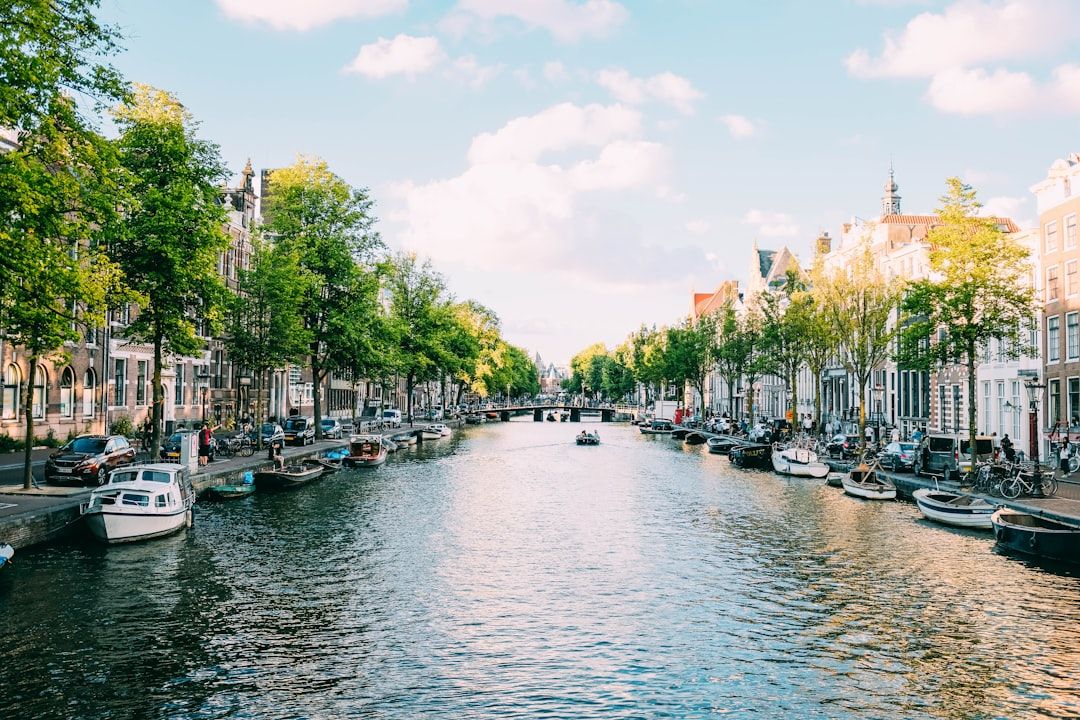
Amsterdam is small, flat and easily walked, which makes three days genuinely sufficient. The one thing that ruins trips here is not distance but ticketing: the Anne Frank House and the Van Gogh Museum both operate timed online entry, and the first sells out weeks in advance with no door sales at all.
Book these before anything else
| Sight | Booking | Note |
|---|---|---|
| Anne Frank House | 6 weeks ahead, online only | No ticket desk. Sells out. |
| Van Gogh Museum | 1–2 weeks, timed | Not on the City Card queue-skip |
| Rijksmuseum | A few days | Large enough to absorb crowds |
| Canal cruise | Same day fine | Avoid the biggest boats |
Day 1 — The canal belt on foot
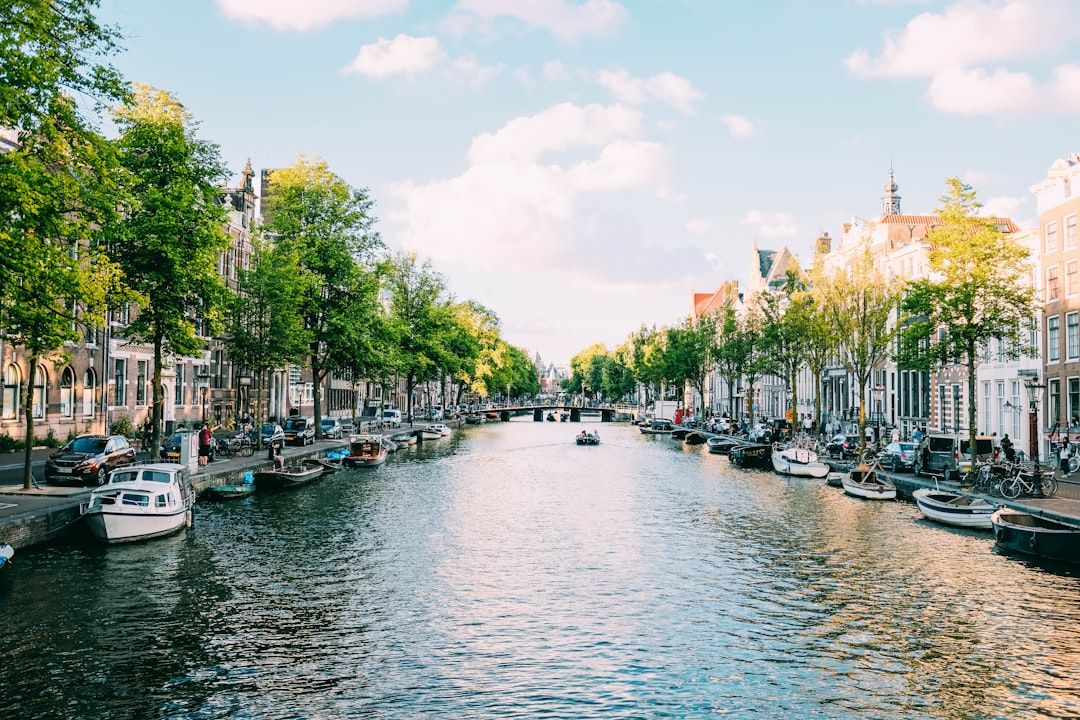
The Grachtengordel — the ring of 17th-century canals — is the city's actual attraction, and it is free. Walk it rather than photographing it from a boat.
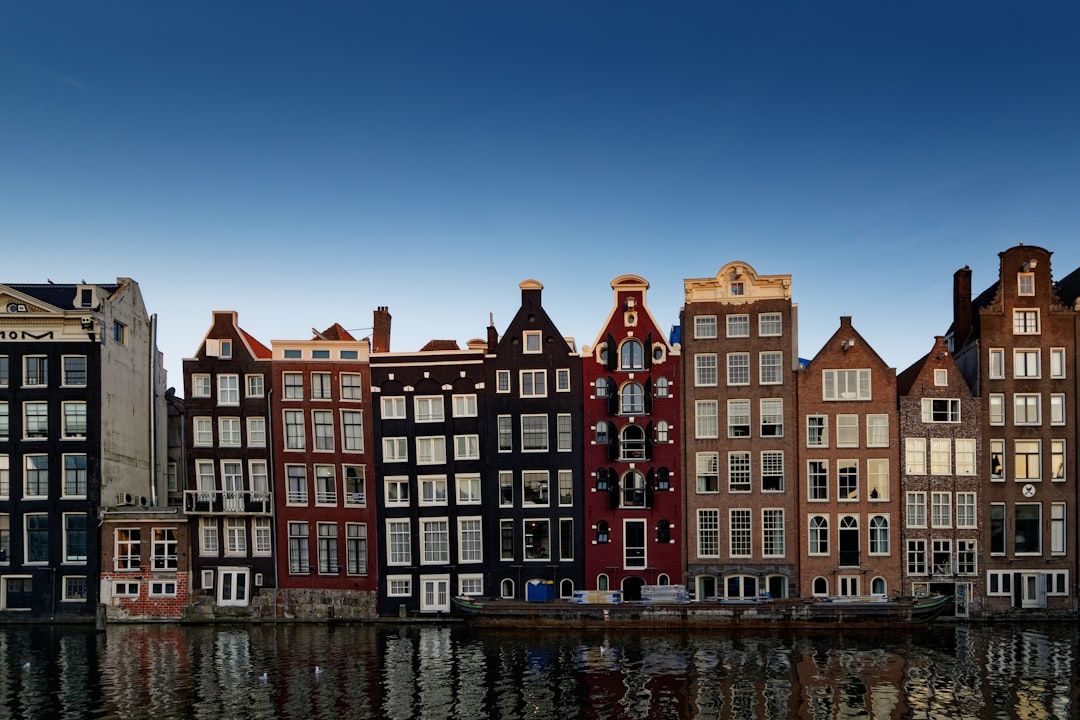
A route that works: start at the Jordaan, west of the centre. Narrow streets, small shops, the Noordermarkt on Saturday mornings. Walk east along Prinsengracht past the Westerkerk and the Anne Frank House, then cut across Keizersgracht and Herengracht — the three main canals run parallel, and crossing between them repeatedly shows you more than following one.
The Nine Streets (De Negen Straatjes) connect them and hold the best of the small shops and cafés. End at the Bloemenmarkt, then walk into the centre for the Dam and the Royal Palace.
The red light district, De Wallen, is the oldest part of the city and worth walking through for the architecture. Photography of the windows is forbidden and enforced, and rowdy behaviour is increasingly policed.
Day 2 — Museumplein
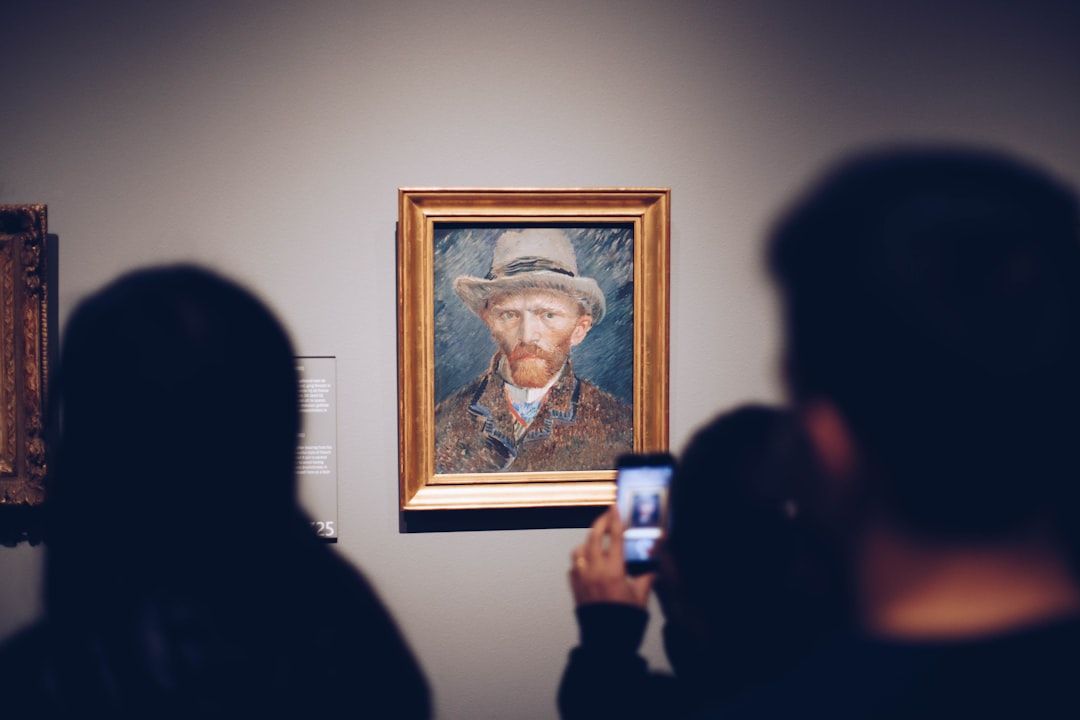
Three major museums on one square.
The Rijksmuseum holds the Dutch Golden Age — Vermeer, Rembrandt's Night Watch, and a building that is itself worth the visit. Two to three hours. Its library and the Asian pavilion are usually empty and lovely.
The Van Gogh Museum is chronological and superbly done, following the work from the dark early Dutch period through Paris and Arles to the final months. Ninety minutes. Book it.
The Stedelijk is modern and contemporary, and the quietest of the three.
Doing all three in one day is possible and unwise. Two is the sensible ceiling. Afterwards, the Vondelpark is a five-minute walk and is where the city goes to sit.
Day 3 — Anne Frank, and out of the city
Take your booked Anne Frank slot in the morning. It takes about an hour and is genuinely affecting; the annexe is unfurnished at Otto Frank's request, which makes it starker than visitors expect.
Then a day trip:
Haarlem, 15 minutes by train. The easiest and most underrated — a smaller Amsterdam with a huge church, a good market square and almost no crowds.
Utrecht, 25 minutes. A proper city with distinctive two-level canal wharves and a large student population. The better choice if you want somewhere that is not a day-trip town.
Zaanse Schans, 20 minutes. Working windmills, very photogenic, very busy. Go early.
Keukenhof, late March to mid-May only, for the tulip gardens. Outside those dates the bulb fields are bare earth.
Getting around and behaving
Walking covers the centre. Trams handle the rest — tap a contactless card on and off. The GVB day tickets only pay off with heavy use.
The bike lanes are not decorative. They are a fast-moving transport network, and standing in one to take a photograph is the single most common visitor mistake. Look both ways before crossing one, exactly as you would a road.
Where to stay. The Jordaan and the canal belt for atmosphere, De Pijp for food and a more local feel, Oud-West for value. Avoid the immediate blocks around Centraal and Rembrandtplein, which are loud at night.