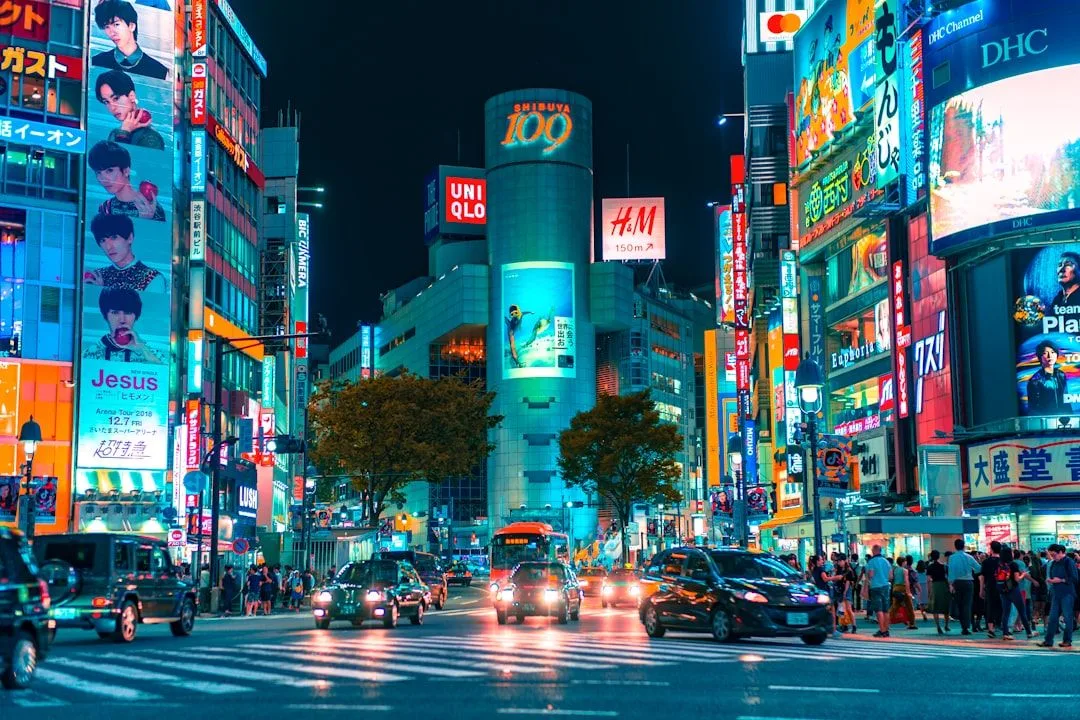
Tokyo has no single centre. It is a collection of dense districts strung along the Yamanote loop line, each with its own character and its own station, and the way to make a first visit work is to spend each day inside one or two of them rather than crossing the city repeatedly.
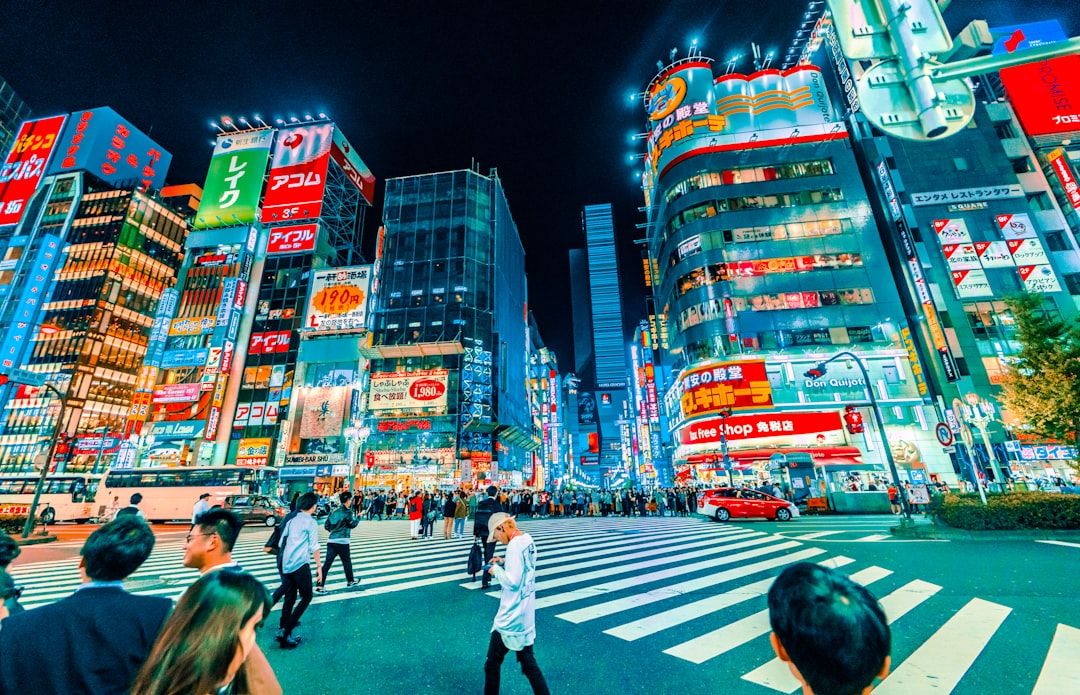
Day 1 — Shinjuku
Start with the free observation decks at the Metropolitan Government Building for the layout of the city, and on a clear winter morning, Mount Fuji on the horizon.
Then Shinjuku proper: the station is the busiest in the world and genuinely confusing, so allow extra time and follow the exit numbers rather than trusting instinct. East of it, Kabukicho for the neon, and Omoide Yokocho and Golden Gai — two surviving warrens of tiny post-war bars, most seating six people. Many Golden Gai bars charge a cover and some do not welcome non-regulars; the ones with English signs do.
Shinjuku Gyoen, if you want quiet, is one of the best gardens in the city and closes at 6pm.
Day 2 — Shibuya, Harajuku, Meiji Jingu
Work north to south, or in this case south to north. Shibuya Crossing first — the view from the Starbucks above it is the classic one, and Shibuya Sky is the better paid option, especially at sunset with a booked slot.
Walk north up Cat Street to Harajuku. Takeshita Street is the famously chaotic teenage shopping alley and takes ten minutes; the streets either side of it are more interesting. Omotesandō is the wide tree-lined avenue with the flagship architecture.
Then Meiji Jingu, entered through the enormous timber torii at Harajuku station. The forest around the shrine is entirely man-made, planted in the 1920s from donated trees, and walking into it from the shopping streets is the sharpest transition in Tokyo.
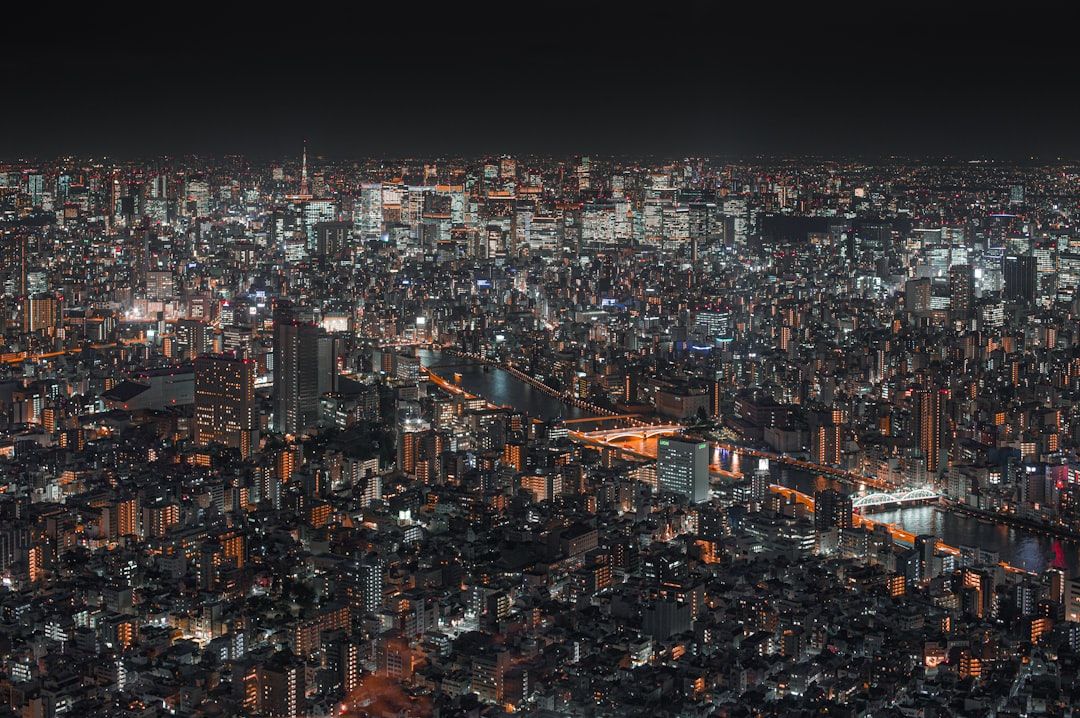
Day 3 — Asakusa, Ueno, the old east
The Shitamachi, the low city, which feels older and lower-rise than the west.
Sensō-ji in Asakusa is Tokyo's oldest temple, approached through the Kaminarimon gate and the Nakamise shopping street. Busy by 10am; go early. Behind the main hall it empties out immediately.
Walk to Ueno Park — the Tokyo National Museum is here and is the best museum in the country for Japanese art and archaeology, and Ameyoko market underneath the railway tracks is a rare surviving open-air street market.
If you have energy, Yanaka to the northwest is a low-rise neighbourhood that survived both the earthquake and the war — narrow streets, a large cemetery, small shops, and almost no tourists.
Day 4 — Day trip
| Destination | Time | Why |
|---|---|---|
| Hakone | ~90 min | Onsen, Fuji views, lake, ropeway |
| Kamakura | ~60 min | Great Buddha, temples, coast |
| Nikkō | ~2h | Elaborate shrines, mountains, waterfalls |
| Yokohama | ~30 min | Waterfront, Chinatown, easy |
Hakone is the classic and pairs an onsen with the best chance of seeing Fuji; the Hakone Free Pass covers the loop of train, cable car, ropeway and boat. Kamakura is the easier, shorter option and combines temples with a beach.

Day 5 — Whatever the city has made you curious about
Options, depending on your day 1–4:
Tsukiji outer market for breakfast — the inner wholesale market moved to Toyosu, but the outer market remains and is where you actually want to eat. Go before 9am.
Akihabara for electronics, anime and arcades.
Shimokitazawa or Kōenji for second-hand clothes, record shops and small bars, both a world away from central Tokyo.
teamLab, booked ahead, for the digital art installations.
The Ghibli Museum — but only if you booked months ago, which is not an exaggeration.
Practical
Get a Suica or Pasmo at the airport and tap on and off. It works on every train, subway and bus, and in convenience stores. Skip the JR Pass unless you are leaving Tokyo for other cities.
Cash still matters. Card acceptance has improved a great deal, but small restaurants, shrines and older shops remain cash-only. 7-Eleven ATMs accept foreign cards reliably.
Last trains run around midnight and the network then stops until roughly 5am. A taxi across central Tokyo after that is expensive.
Quiet on trains. Phone calls are not made, and conversation is low. It is the most consistently observed social rule you will encounter.