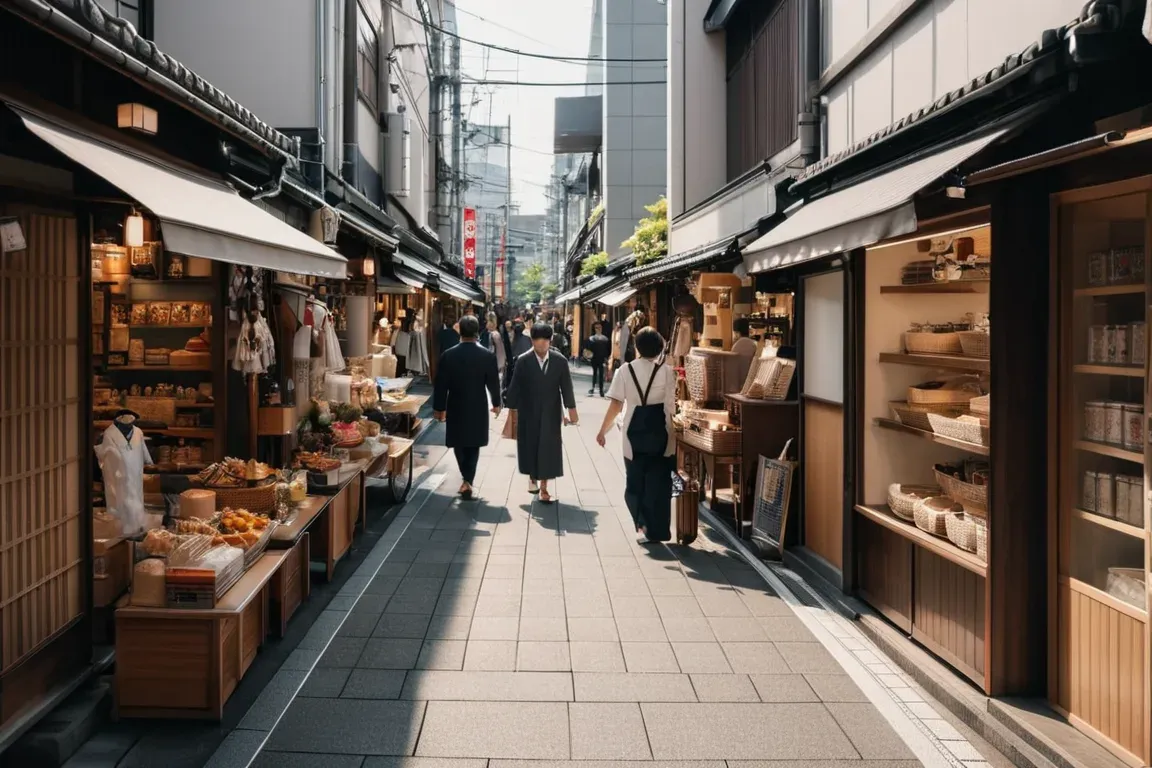
The Perfect 3-Day Tokyo Itinerary
- The Day Begins: Begin your day with a visit to the Tokyo Metropolitan Park, which is one of the largest parks in Japan. The park offers hiking trails and impressive views, but also includes several shopping areas where you can find souvenirs.
- Lunch: At Saziki in Shinjuku, enjoy traditional Japanese cuisine while taking in the busy atmosphere of this city district. The restaurant serves a variety of dishes that are both unique to Japan and modern in style.
- The Afternoon: Head over to the Ghibli Museum for an hour or two. This museum is dedicated to films by Studio Ghibli, the famous animation studio known for movies like Spirited Away. You can see some of their most popular works on display and also take in the impressive architecture inspired by traditional Japanese art.
- Evensong: Your last night in Tokyo is spent at a rooftop bar overlooking the city skyline. The views are striking, especially during sunset, with the lights of Tokyo Bay illuminating the horizon.
3 days in tokyo itinerary is key here. This itinerary balances exploration of cultural landmarks, shopping opportunities, and nature walks while staying away from peak times to avoid crowds and maximize your chances for memorable experiences. Remember to be flexible and adapt your schedule based on how you feel about different locations-this is a rough guide meant to give you an idea of the kinds of activities available in Tokyo.
The Art of Tea: A Visit to Katsura Imperial Villa
Katsura Imperial Villa isnt just a beautiful sight; it's also an experience. Step into the traditional Japanese tea ceremony at its teahouse, where you can learn about the art of preparing and serving matcha. Don't forget to try some local sweets during your visit.Question/Answer
Q: What are some worth seeing parks in Tokyo? A: Some iconic parks include Ueno Park with its zoo and temple, Yoyogi Park known for its giant statue of Buddha, and the Sumida River area, which includes Sensoji Temple and the Roppongi Hills.Navigating Tokyo's Food Scene: A Gourmet Journey
Navigating Tokyo's food scene can be as overwhelming as it is rewarding. The city is a food lover's paradise, offering a wide array of culinary experiences from casual street food to Michelin-starred restaurants. To make the most of your 3-day itinerary, consider focusing on specific districts known for their unique food offerings. On the first day, start your culinary adventure in Shibuya or Harajuku, where you can sample some of Tokyo's famous street food, such as takoyaki (octopus balls) and yakitori (grilled chicken skewers). Don't miss the chance to visit a local izakaya (Japanese pub) for a taste of small plates and sake. On the second day, head to the Tsukiji Outer Market for a more traditional experience. This busy market is a worth a stop for seafood lovers, with fresh sushi and sashimi available from various stalls. For a more intimate dining experience, consider a reservation at one of the nearby sushi restaurants. Remember, reservations are highly recommended due to the popularity of these establishments. On the third day, explore the trendy neighborhoods of Ginza and Roppongi for a mix of high-end dining and casual eateries. In Ginza, you can enjoy a luxurious meal at a high-end restaurant, while in Roppongi, you'll find a variety of international cuisines and fusion restaurants. However, be prepared for the high costs associated with these areas. A more budget-friendly option is to visit the nearby Omoide Yokocho, known as the "Narrow Alley of Memories," where you can sample a variety of small dishes from different stalls.Discovering Tokyo's quiet stretchs: Off-the-Beaten-Path Attractions
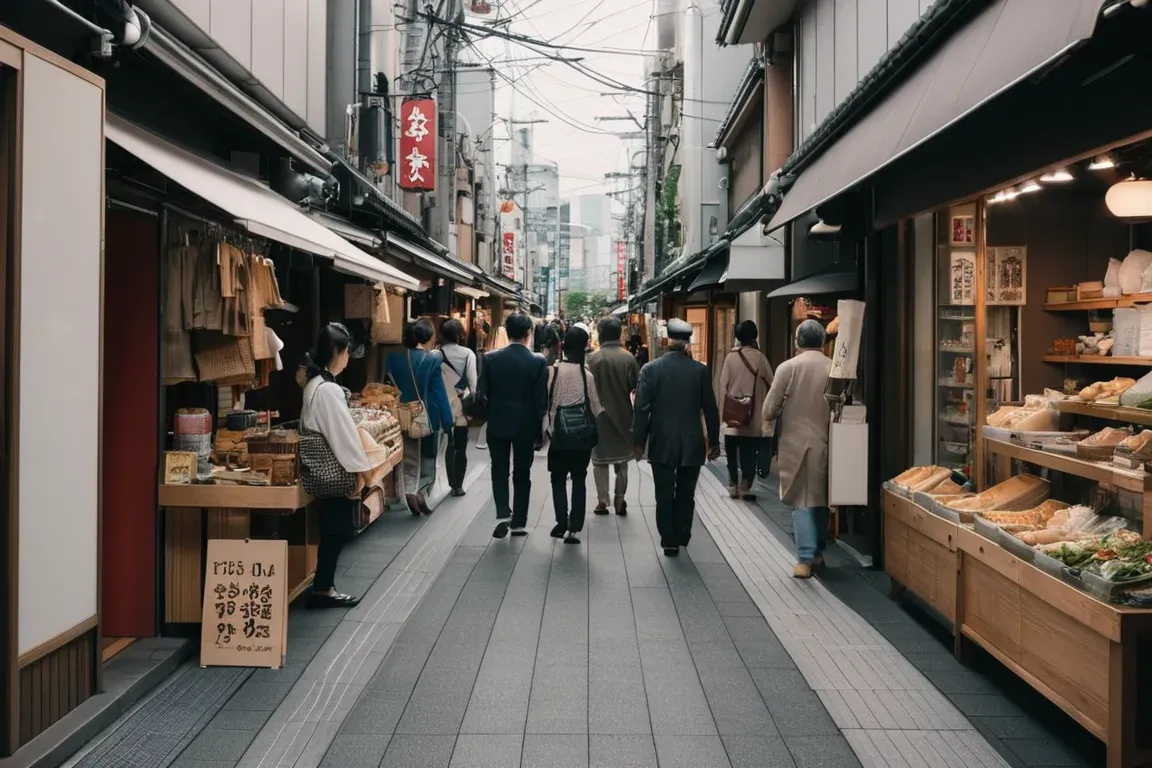
While Tokyo is known for its iconic landmarks and busy streets, there are plenty of quiet stretchs that offer a more intimate look at the city. On the first day, after exploring the art and nature of Katsura Imperial Villa, head to the historic district of Asakusa. While Senso-ji Temple and Nakamise Shopping Street are popular, venture off the main tourist path to discover the quieter areas around the temple. Visit the Asakusa Kannon Temple and explore the nearby alleys filled with traditional shops and restaurants. On the second day, consider a visit to the Odaiba district, which is often overlooked by tourists but offers a unique experience. Start with a walk along the artificial island, where you can visit the Tokyo Dream Center, a surreal art installation featuring colorful mosaics and sculptures. For a taste of modern Tokyo, visit the Akasaka Palace, which now houses the National Museum of Emerging Science and Innovation. The museum offers interactive exhibits on science and technology, providing a fascinating look at Japan's technological advancements. On the third day, explore the historic neighborhoods of Yanaka and Meguro. Yanaka is known for its preserved Edo-period architecture and charming, tree-lined streets. Take a leisurely walk through the neighborhood, visiting the Yanaka Cemetery and the Yanaka Ginza shopping district. In Meguro, you can explore the Meguro River and the Meguro Shrine, which is surrounded by beautiful gardens and traditional Japanese architecture. For a more peaceful experience, visit the Meguro Rose Garden, which is particularly stunning in the spring when the roses are in bloom. While these off-the-beaten-path attractions may not be as well-known, they offer a deeper understanding of Tokyo's cultural and historical significance. Be prepared for shorter opening hours and less crowded spaces, making for a more relaxed and enjoyable experience.Frequently Asked Questions
Q: Is it better to visit Tokyo during weekdays or weekends? A: Weekends can be more crowded but offer a chance to experience local festivals like Ginza New Year's Eve. Weekdays are quieter, allowing for fewer crowds at popular tourist spots. Q: How should I budget for my trip in Tokyo? A: Budget approximately ¥10,000-¥25,000 per day for basic accommodation and meals. Be aware that prices can vary greatly depending on your dining options and the type of accommodation you choose. Q: Is it difficult to navigate Tokyo's subway system? A: The subway network is efficient and well-connected. It might take some time to learn the basics (like using a map or asking for directions) but once familiar, navigating becomes smoother. Q: How can I avoid crowds at Shibuya crossing? A: To get around crowds, consider visiting during off-peak hours (late afternoon), avoiding weekends, or using public transportation. Alternatively, explore alternative routes like Shinjuku's Kanda area which is less crowded.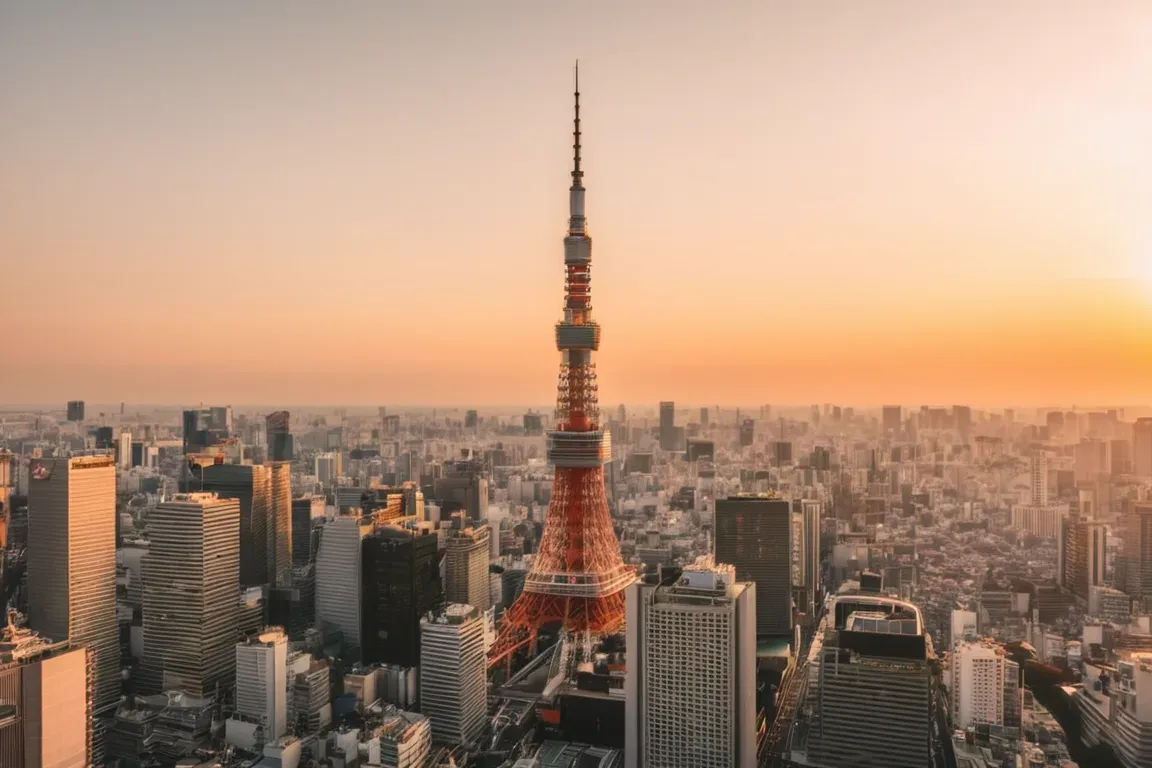
Exploring Tokyo's Urban Parks: A Nature Lover's Delight
Tokyo is renowned for its urban splendor, but it's also a city blessed with natural beauty. The city offers an abundance of green spaces that are perfect for those who love to escape the busy metropolis and connect with nature.Green Spaces in Tokyo
The city boasts over 20 national parks, among which some stand out as prime spots for relaxation and exploration. For instance, Kanda Yoyogi Park is a popular destination where you can find serene gardens, traditional Japanese architecture, and a impressive cherry blossom festival in spring.Park Features
- Green Spaces: Over 100 parks cover an area of approximately 467 hectares. - Accessibility: Most are easily accessible via public transport or walking routes within the city center. - Seasonal Attractions: Cherry blossoms, autumn leaves, and winter snow can all be enjoyed in different parts of Tokyo's green spaces.