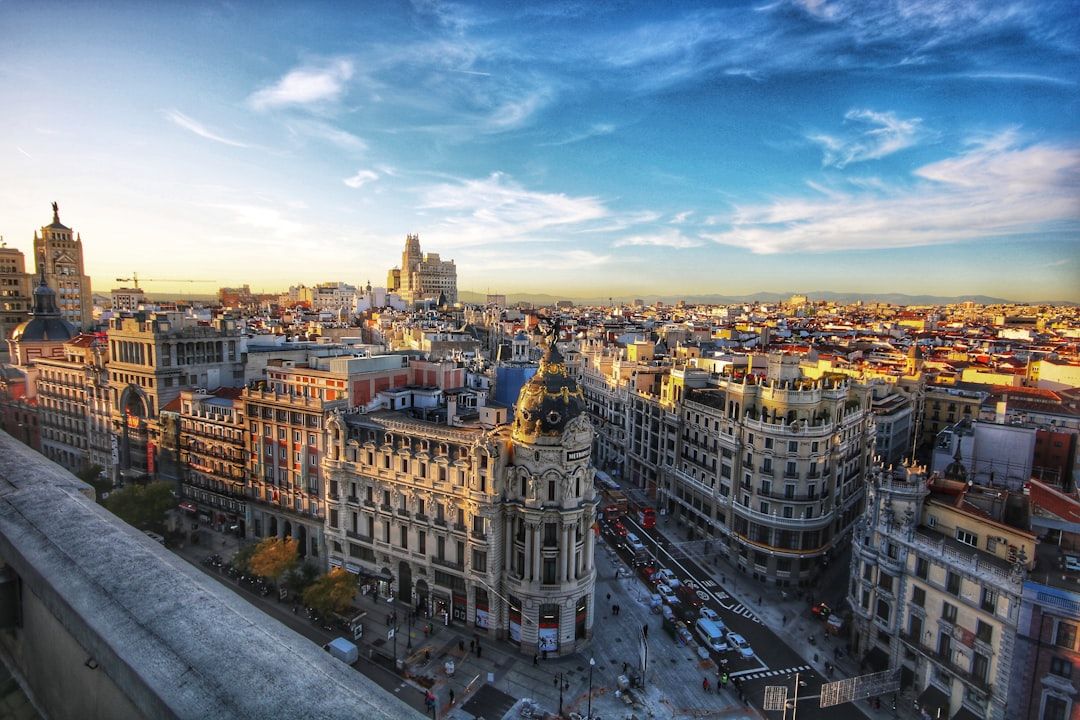
Spain is the second largest country in western Europe and ten days is not enough to see it. It is, however, exactly enough for Madrid and Andalusia, connected by one of the best high-speed rail networks in the world.
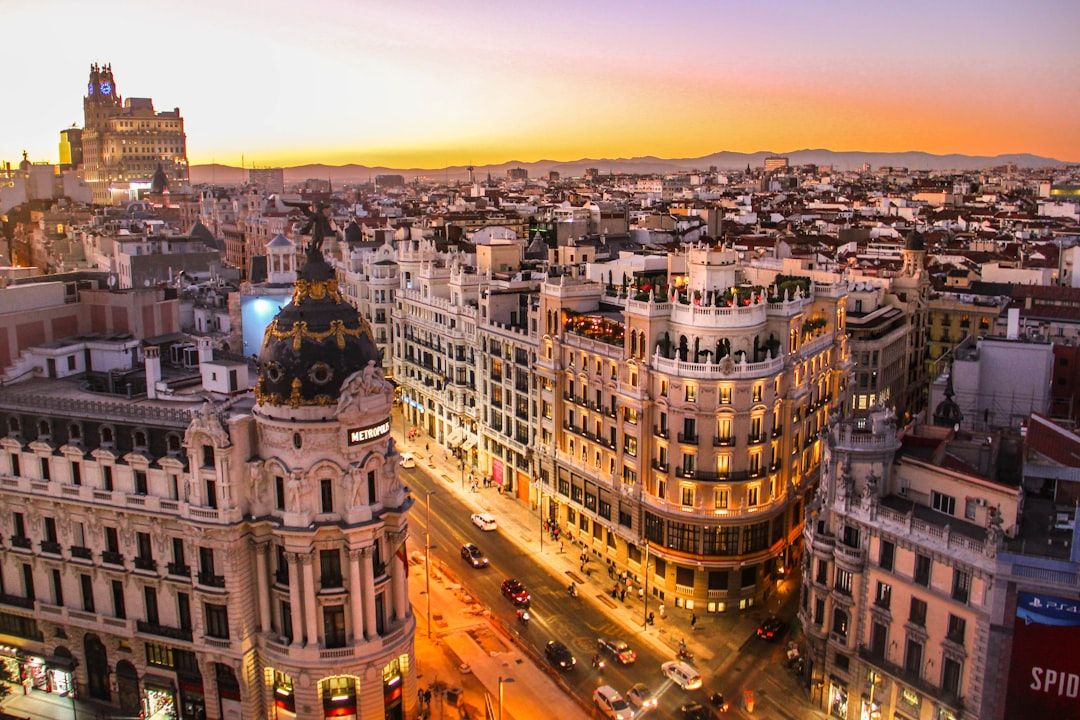
Days 1–3: Madrid
Madrid is a city people underrate because it lacks a single iconic monument. What it has instead is the best concentration of art in Europe and a street life that runs later than anywhere.
The Prado deserves a full morning: Velázquez's Las Meninas, Goya's black paintings, Bosch's Garden of Earthly Delights. Free entry in the last two hours daily, which is busy but genuine. The Reina Sofía holds Guernica and is the better second choice; the Thyssen-Bornemisza fills the gaps between the two.
Beyond the museums: the Retiro park, Plaza Mayor and La Latina for tapas — Sunday around the Rastro flea market is the classic. Malasaña and Chueca for evenings.
Day trip option: Toledo, 33 minutes by AVE, a walled hilltop city of Christian, Jewish and Muslim architecture layered on top of each other. Better as a full day than a rushed half.
Day 4: Córdoba
Take the AVE south — 1h45 — and stop in Córdoba on the way to Seville. One night is enough and the reason is singular: the Mezquita, a 10th-century mosque with a cathedral built inside it, a forest of red-and-white striped arches around a baroque nave. There is nothing else like it in Europe.
The Jewish quarter around it is small and pretty, and in May the patio festival opens private courtyards to the public.
Days 5–7: Seville
Forty-five minutes further on the AVE and the highlight of most Spanish trips.
The Alcázar — a Mudéjar royal palace still in use, with gardens that are the best part. Book ahead; it queues badly.
The Cathedral, the largest Gothic church in the world, with the Giralda tower you climb by ramp rather than stairs because it was built for horses.
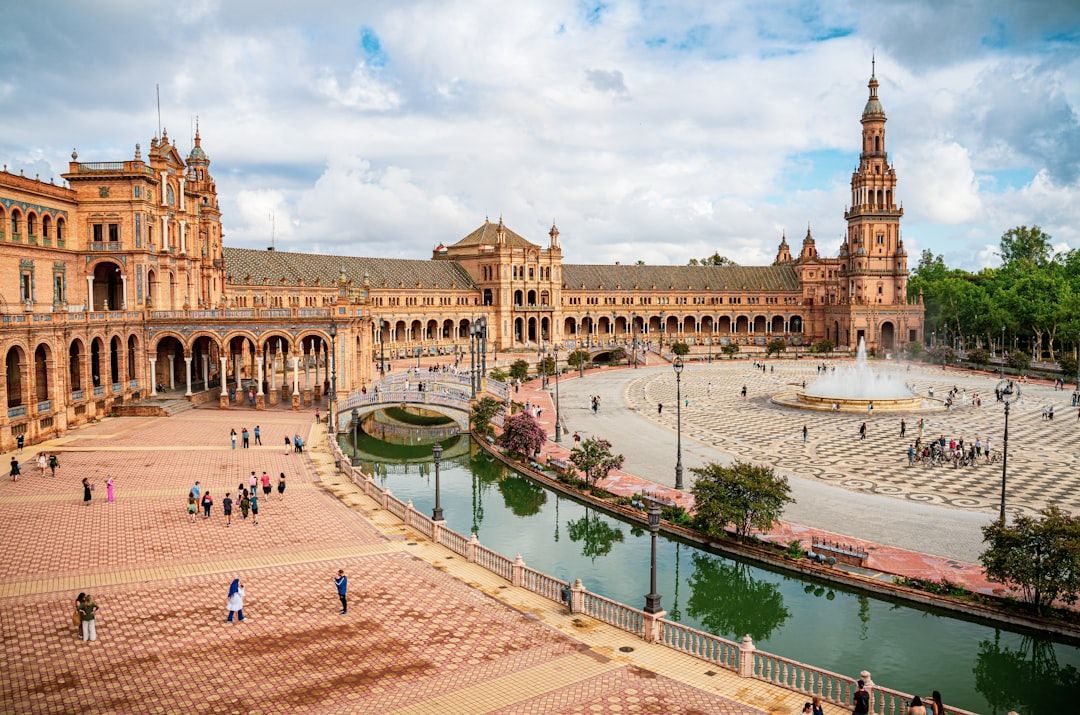
Plaza de España, a semicircular 1920s exhibition building that is far more impressive in person than in photographs.
Then the neighbourhoods: Santa Cruz, the old Jewish quarter, and Triana across the river, which has the better tapas and fewer visitors. Flamenco in Seville is worth seeing at a small peña rather than a dinner show — Casa de la Memoria and La Carbonería are the usual recommendations.
Days 8–10: Granada
Three hours by bus or train east. Granada is where the trip should end, and the Alhambra is why.
Book the Alhambra two to three months ahead. This is not caution. Daily numbers are capped, the Nasrid Palaces have a strict timed entry, and arriving without a ticket in April or October means not getting in. Allow three hours: the Nasrid Palaces, the Generalife gardens and the Alcazaba fortress.
The rest of Granada is the Albayzín, the old Moorish quarter of white houses on the hill opposite, best at sunset from the Mirador de San Nicolás with the Alhambra lit against the Sierra Nevada. Granada is also the last Spanish city where a free tapa still comes with every drink, which makes the evenings both cheap and excellent.
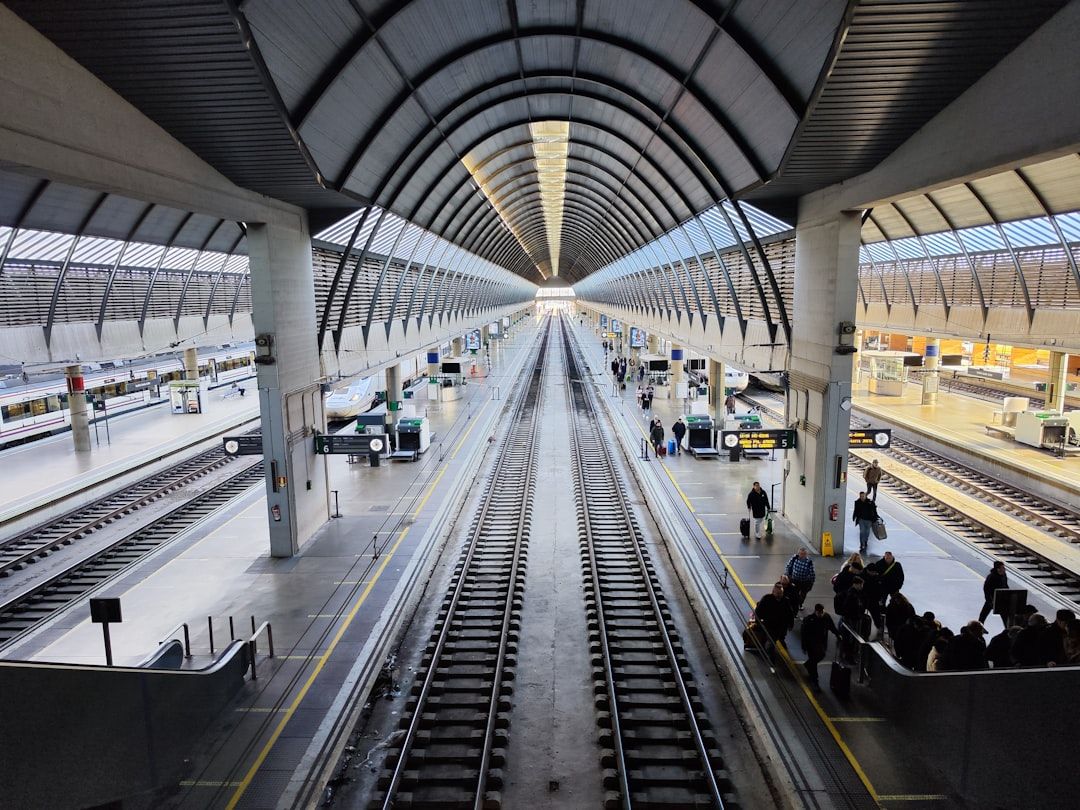
The trains
| Leg | Time | Booked ahead |
|---|---|---|
| Madrid → Toledo | 33 min | €14–20 |
| Madrid → Córdoba | 1h45 | €30–55 |
| Córdoba → Seville | 45 min | €20–35 |
| Seville → Granada | ~3h | €30–45 |
| Granada → Madrid | ~3h20 | €35–60 |
Book several weeks out. Renfe fares rise sharply near the date, and the cheap Básico fares sell first.
Timing and habits
Go in April, May, late September or October. Inland Andalusia in July and August exceeds 40°C and sightseeing becomes a matter of survival rather than pleasure.
Meals run late — lunch 2 to 4pm, dinner from 9pm. Restaurants serving dinner at 7 are serving tourists. Adjust rather than fight it: a late lunch and a long evening is the local rhythm and it suits the heat.
Fly into Madrid and out of Granada or Málaga rather than doubling back. Open-jaw tickets cost about the same and save you a day.