Portugal's advantage for a one-week trip is scale: the two cities worth building a week around are under three hours apart by fast train, and both are compact enough to walk. The mistake is bolting the Algarve on, which is three hours in the opposite direction and costs two days.
Days 1–3: Lisbon
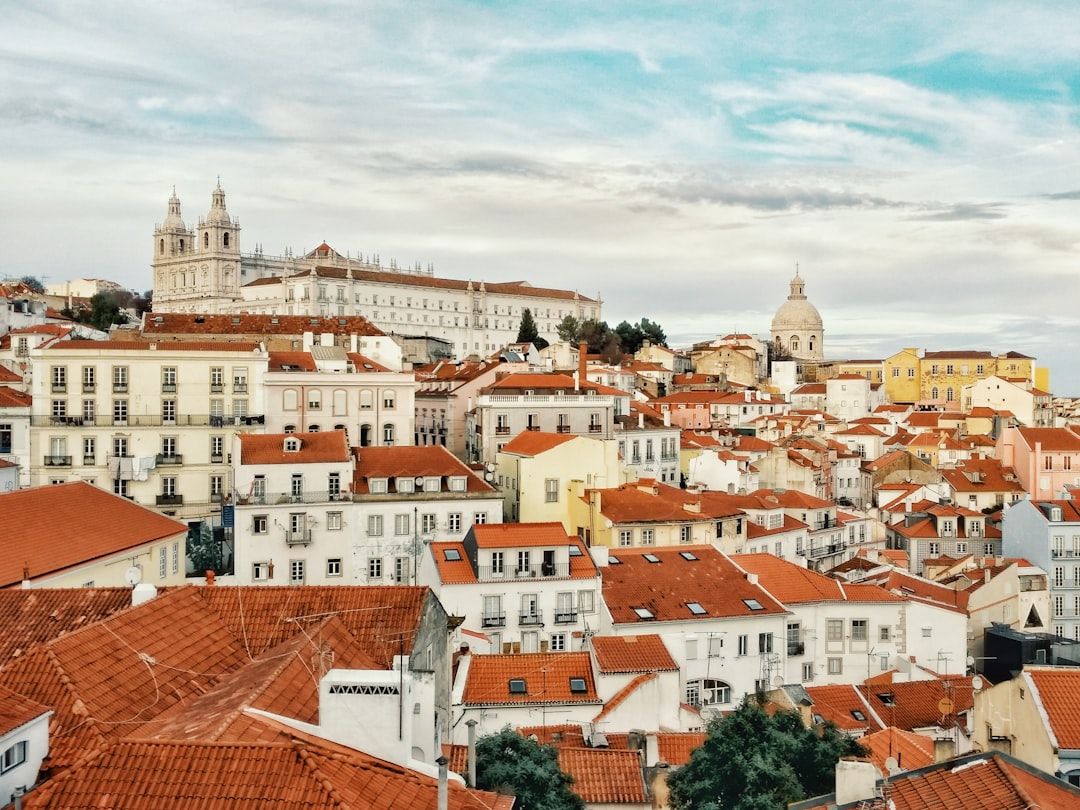
Day 1 — Alfama and the centre. Start at the Sé cathedral and climb through Alfama, the medieval quarter that survived the 1755 earthquake. It is a maze of stairs and washing lines, and the point is to get lost in it. The Miradouro de Santa Luzia and Portas do Sol are the viewpoints. At the top, the Castelo de São Jorge.
Come down into Baixa, the grid rebuilt after the earthquake, then Chiado and up into Bairro Alto for the evening.
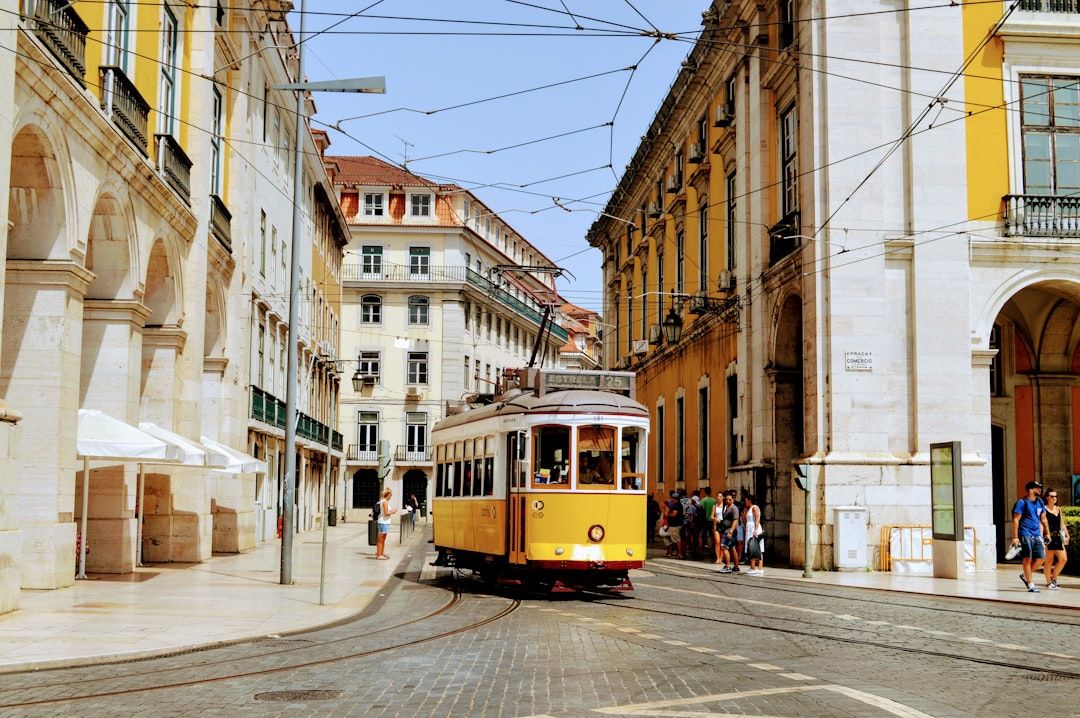
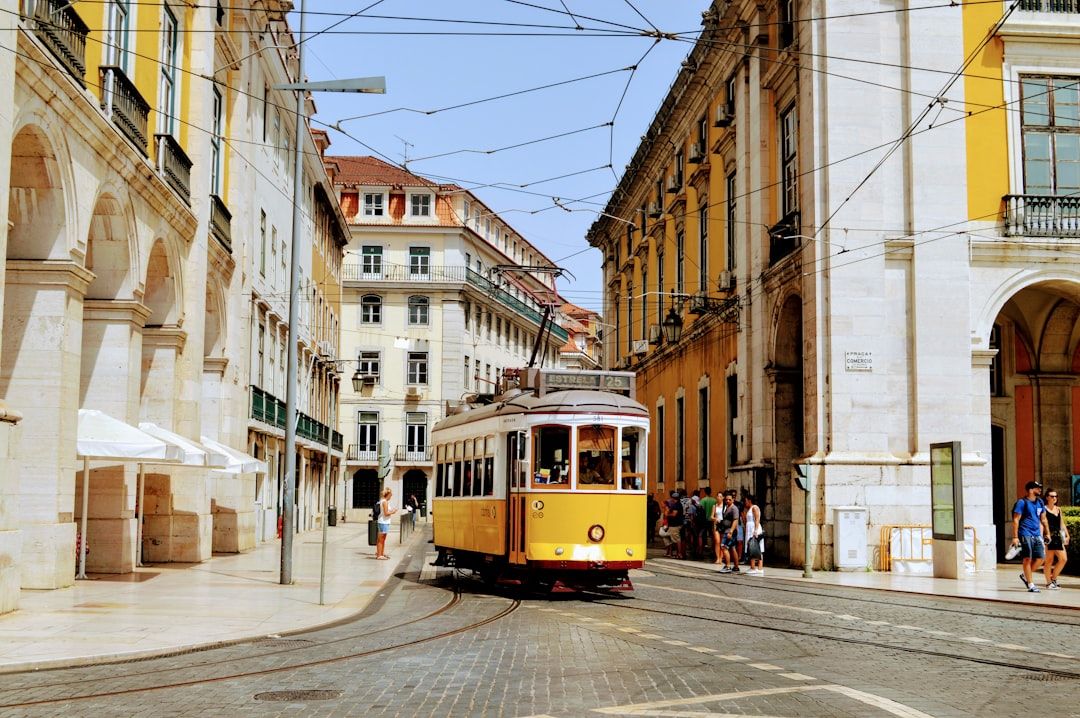
Tram 28 covers much of this route and is a genuine experience, but it is also where the city's pickpockets work. Ride it early morning, hold your bag.
Day 2 — Belém. West along the river: the Mosteiro dos Jerónimos, which is the finest Manueline building in the country and needs a ticket, the Torre de Belém, and the Padrão dos Descobrimentos. Eat a pastel de nata at Pastéis de Belém, where they were invented — the queue for the takeaway counter moves faster than it looks.
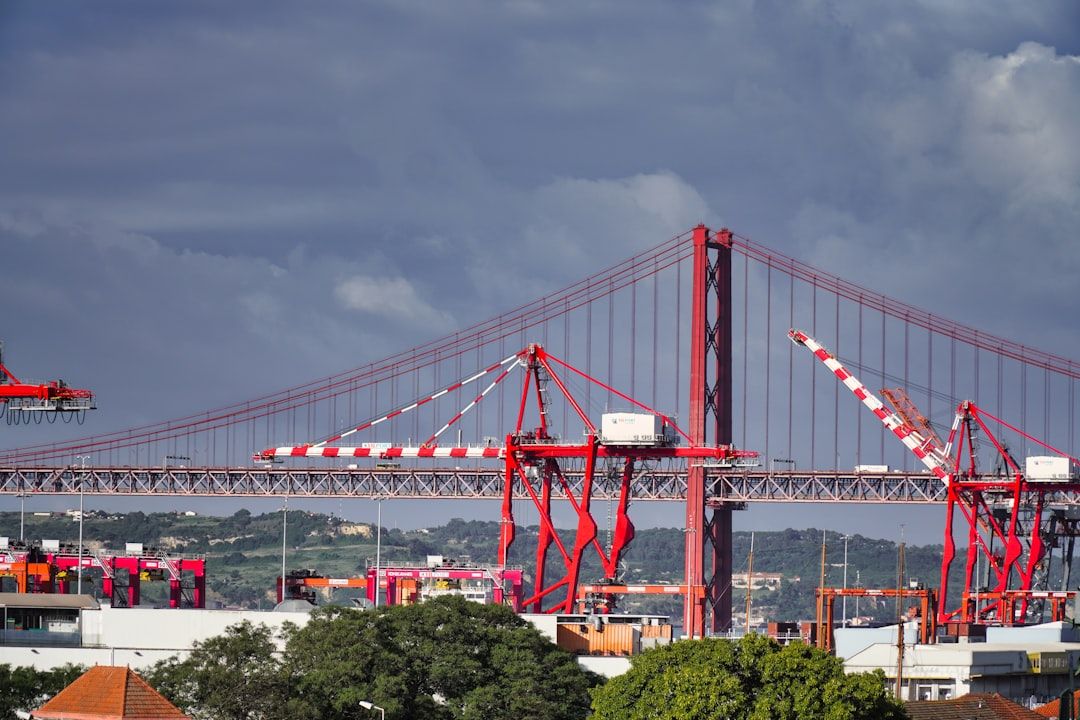
Afternoon: LX Factory, a converted industrial complex under the bridge, or the MAAT museum on the waterfront.
Day 3 — Sintra. Forty minutes by train from Rossio. Go early. The palaces sit on a wooded hill connected by a slow shuttle bus, and two is a realistic day: Pena Palace, the extravagant nineteenth-century romantic pile on the summit, and Quinta da Regaleira, with its initiation well spiralling down into the rock. Book Pena ahead.
If time allows on the way back, Cabo da Roca — mainland Europe's westernmost point — and the coast at Cascais.
Day 4: the train north
Take the Alfa Pendular from Lisboa Oriente to Porto Campanhã, 2h45. Book a week ahead for €25–35; walk-up fares are roughly double. Travel in the morning and you have the afternoon in Porto.
Arrive and walk down to the Ribeira, the riverfront quarter, and across the lower deck of the Dom Luís I bridge to Vila Nova de Gaia for the first port lodge. The upper deck of the bridge is for the metro and pedestrians and has the better view.
Days 5–6: Porto
Day 5. São Bento station for its 20,000 azulejo tiles, the Clérigos tower for the climb, Livraria Lello — the ornate bookshop that now charges admission and is extremely crowded — and the Bolsa Palace. Walk the Ribeira properly, and cross to Gaia in the late afternoon when the light is on the Porto side.
Port tasting is the evening activity. The lodges — Taylor's, Graham's, Sandeman and the smaller houses — all run tours, and a tawny and a vintage side by side is the useful education.
Day 6 — the Douro. The train from São Bento to Pinhão takes about two hours, and the last 45 minutes run along the river through terraced vineyards. It is among the most scenic rail lines in Europe and costs under €15. Quinta visits for tastings are bookable from Pinhão, and boat trips run on the river.
The alternative day trip is Guimarães, the birthplace of Portugal, or Braga with the Bom Jesus staircase. Both under an hour.
Day 7
Porto has a working airport with good European connections, so fly out from here rather than returning to Lisbon. If you must return, take the morning train and use the afternoon for anything Lisbon you missed.
Practical
| Item | Detail |
|---|---|
| Lisbon–Porto AP train | 2h45, €25–35 booked ahead |
| Sintra train | 40 min from Rossio, frequent |
| Porto–Pinhão | ~2h, under €15, scenic |
| Meal, mid-range | €12–20 per person |
The hills are real. Both cities are built on them, the pavement is polished limestone, and it is slippery in rain. Proper shoes matter more here than in most European cities.
Couvert. The bread, olives and cheese placed on your table are not free; they are charged if eaten. Waving them away is entirely normal and not rude.