The most common way to waste a week in Greece is to plan three islands. Ferries between island groups often route back through Piraeus, so an ambitious itinerary spends two of seven days on boats and in port towns. Athens plus one island, chosen partly for how long the ferry takes, is a better week.
Days 1–3: Athens
Athens is genuinely worth three days and is routinely given one.
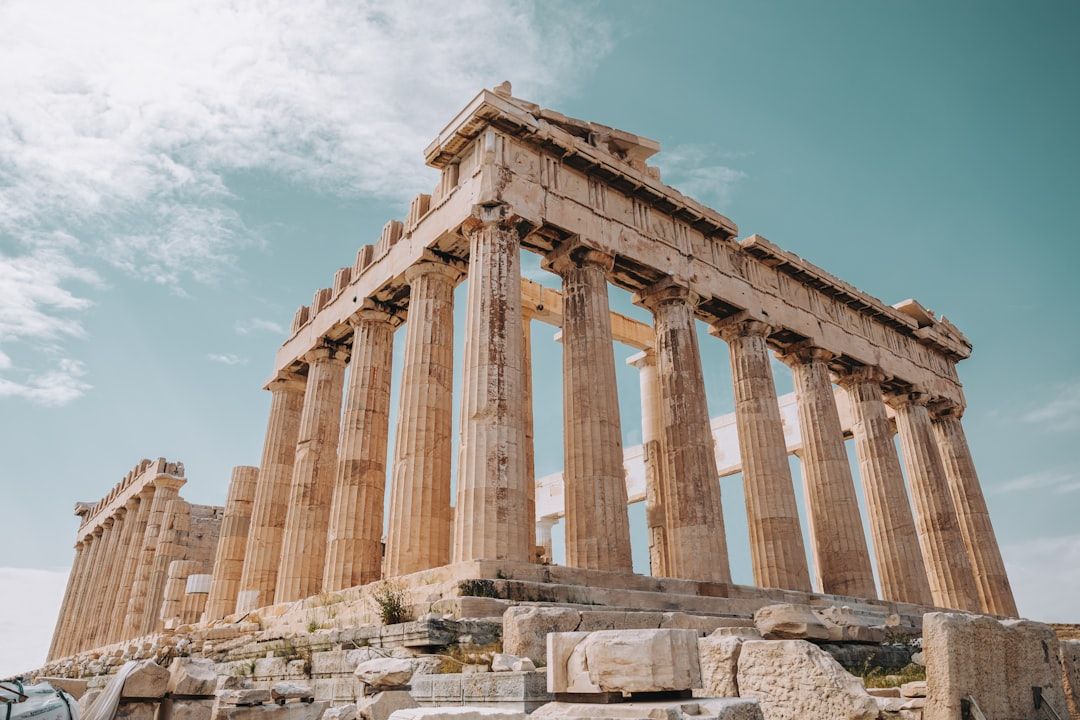
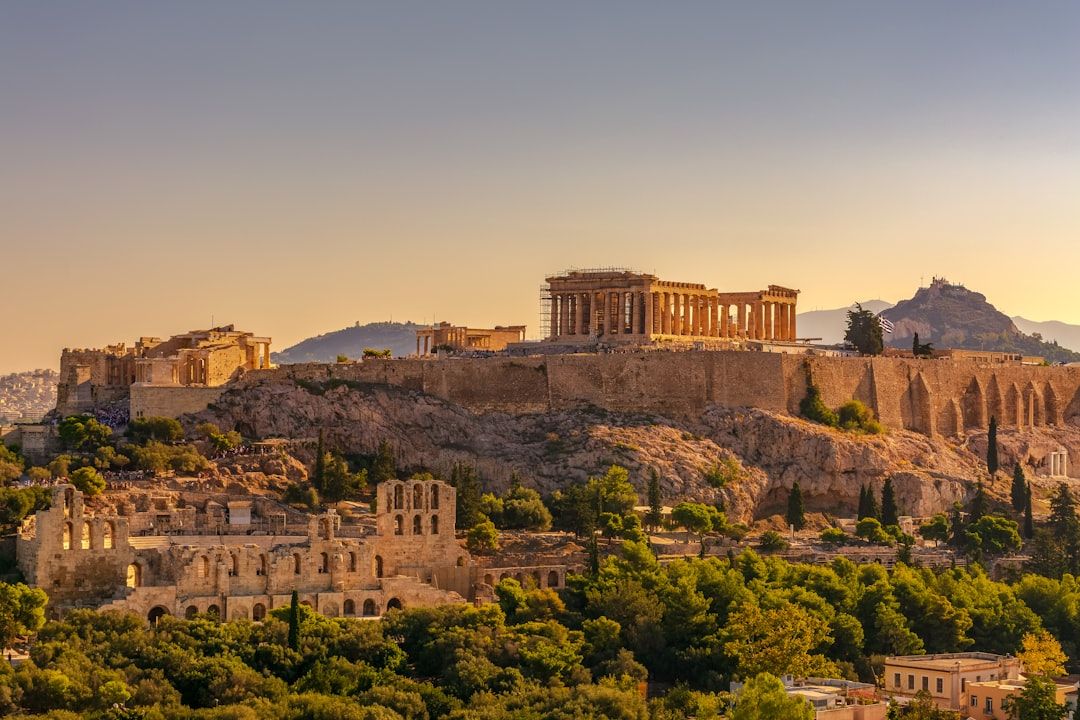
Day 1. The Acropolis first thing — gates open at 8am and by 11am in summer both the crowds and the heat are serious. The combined ticket covers seven sites including the Ancient Agora, Hadrian's Library and the Temple of Olympian Zeus, and is worth it. Afterwards the Acropolis Museum at the foot of the hill, which is superb and air conditioned.
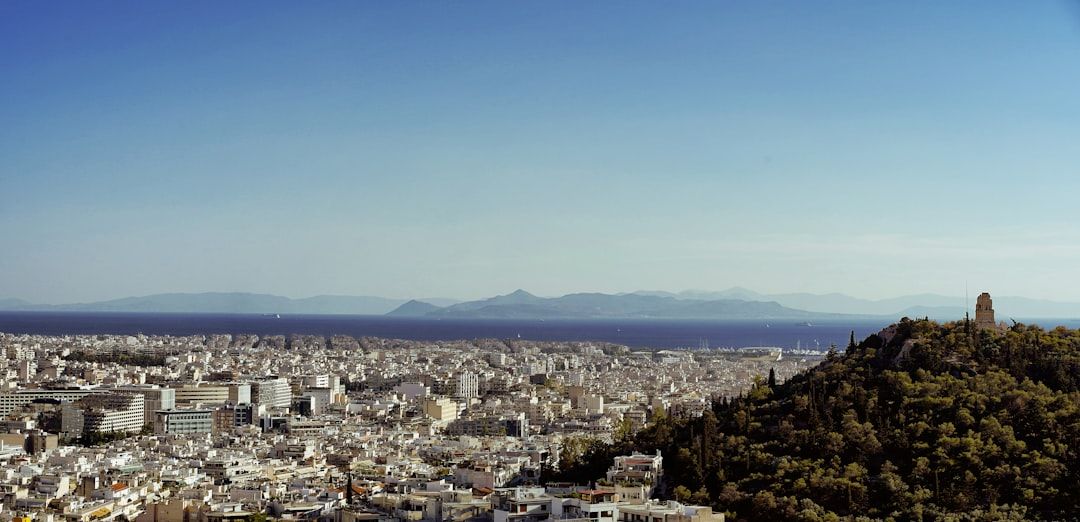
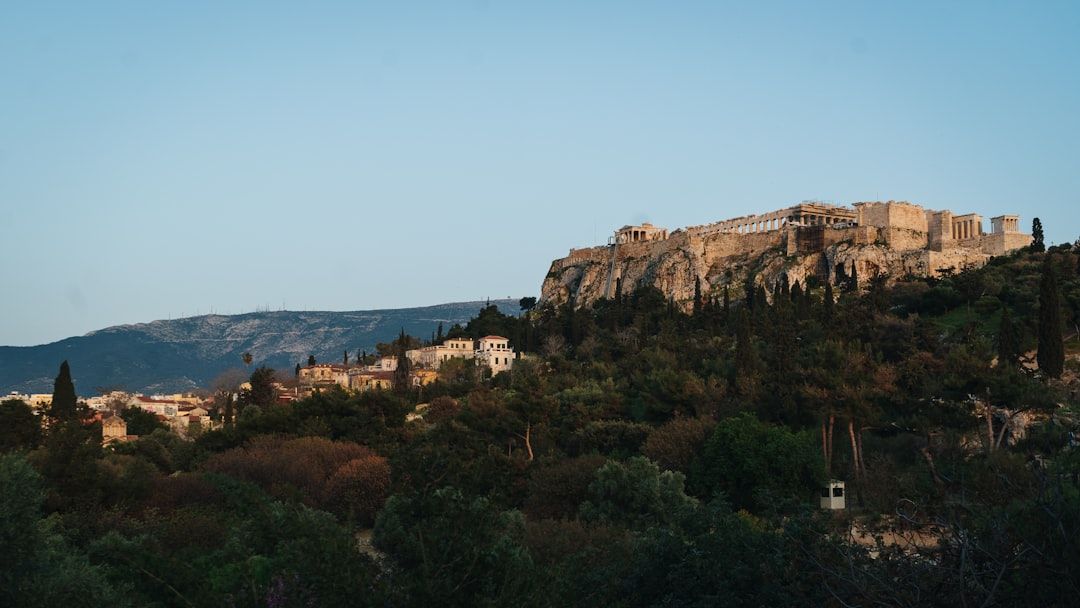
Day 2. The Ancient Agora, then Monastiraki and the flea market, then up through Plaka. Climb Lykavittos or Filopappou Hill in the late afternoon — Filopappou gives you the Acropolis in the picture, which Lykavittos does not.
Day 3. The National Archaeological Museum, which holds the Mycenaean gold, the Antikythera mechanism and the bronze of Poseidon, and is the single best museum in the country. Then a different neighbourhood: Exarchia for its politics and street art, Koukaki for food, or Psyrri for evening.
Day trip alternative for day 3: Delphi, two and a half hours by bus, dramatically sited on the flank of Mount Parnassus. Or Cape Sounion at sunset, ninety minutes, for the Temple of Poseidon on the cliff.
Days 4–7: one island
Choose partly on ferry time, since every hour on a boat is an hour not on the island.
| Island | Ferry from Piraeus | Suits |
|---|---|---|
| Hydra | ~1h30 | Car-free, elegant, easy |
| Paros | ~3h | Balanced: villages, beaches, value |
| Naxos | ~3h30 | Largest, mountains and beaches, good food |
| Milos | ~3h | Extraordinary beaches, fewer crowds |
| Mykonos | ~2h30 | Nightlife, expensive |
| Santorini | ~5h | The caldera view, at a cost |
Naxos is the strongest all-round choice for a first visit: it is big enough to have an interior of mountain villages and Venetian towers as well as long sandy beaches, the food is the best in the Cyclades, and it costs meaningfully less than Santorini or Mykonos.
Milos is the pick if beaches are the priority — Sarakiniko's white volcanic rock looks like nowhere else in Greece.
Santorini delivers exactly the image and the image is real: the caldera at sunset from Oia is genuinely extraordinary. It is also the most crowded and expensive island in the country, the beaches are mediocre black sand, and the five-hour ferry eats a day at each end. Worth it if the view is what you came for; otherwise not.
Hydra deserves a mention for short trips: ninety minutes from Athens, no cars at all — transport is by donkey and on foot — and a harbour town of stone mansions. If your week is really six days, this is how to still get an island.
Ferries, practically
Book July and August ahead; May, June, September and October a day or two out is fine. High-speed ferries cost roughly double the conventional ones and halve the time.
The meltemi is the key risk: a strong northerly that blows in July and August and cancels sailings, sometimes for a day or more. Never plan a ferry back to Athens on the morning of your flight home. Return the day before and sleep near the airport or in the city.
Costs and timing
Outside July and August, Greece is inexpensive: €70–120 a night for a good island room, €12–20 for a taverna meal, €40–70 for a fast ferry. In peak season island accommodation doubles.
The best months are late May to mid-June and September. The sea is warm from June onward and stays warm through October, the light is better than midsummer, and the islands are functioning normally rather than overwhelmed. August is when Greece itself goes on holiday, and it shows in every price and every ferry.