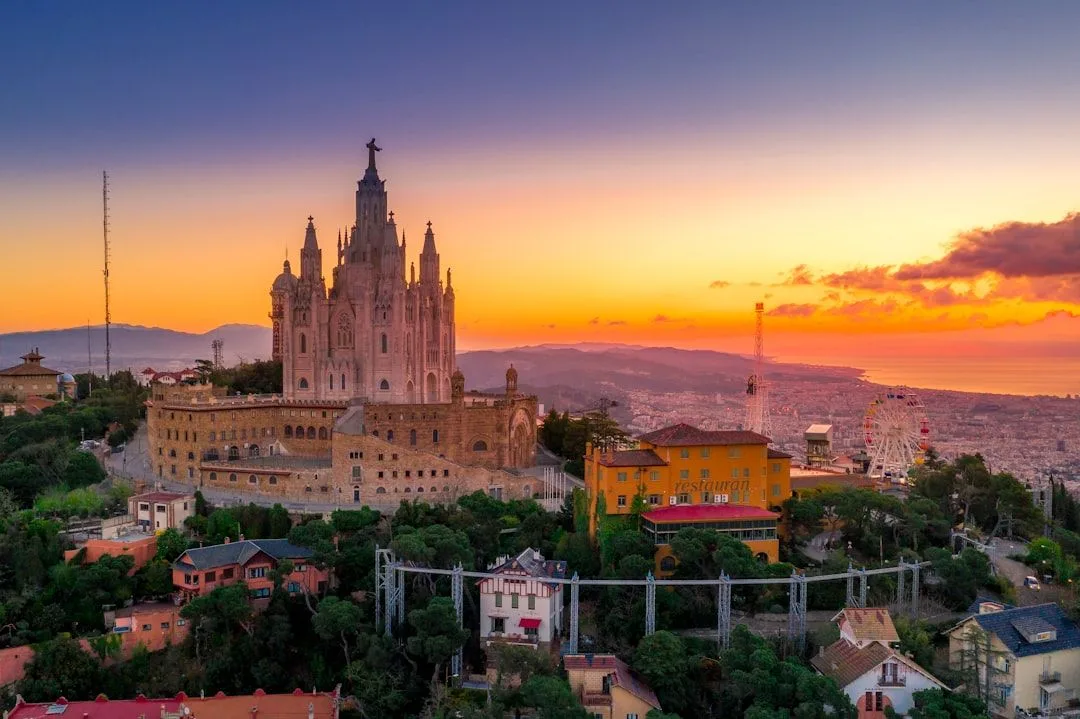
Spain splits neatly into two ten-day trips. Madrid and Andalusia is one. Barcelona and the Mediterranean coast is the other, and it is the better choice in summer, for beaches, and for anyone more interested in modern architecture and food than in Moorish palaces.
Days 1–4: Barcelona
Four days rather than the usual three, because Barcelona rewards it.
Day 1 — the old city. The Barri Gòtic and El Born, Santa Maria del Mar, the Picasso Museum. La Rambla once, early.
Day 2 — Gaudí. Sagrada Família booked two to four weeks ahead, then Passeig de Gràcia for Casa Batlló and La Pedrera, then Park Güell in the late afternoon with the Monumental Zone booked.
Day 3 — Montjuïc and the modern city. The MNAC, the Miró Foundation, the castle. Or the Eixample at street level, which is an architectural grid unlike anywhere else — Cerdà's chamfered corners are worth noticing.
Day 4 — Girona, 38 minutes by AVE. Intact medieval walls you can walk, the Jewish quarter, and the cathedral's enormous single-span nave. A genuinely lovely city and a fraction as busy as Barcelona.
Days 5–6: the Costa Brava
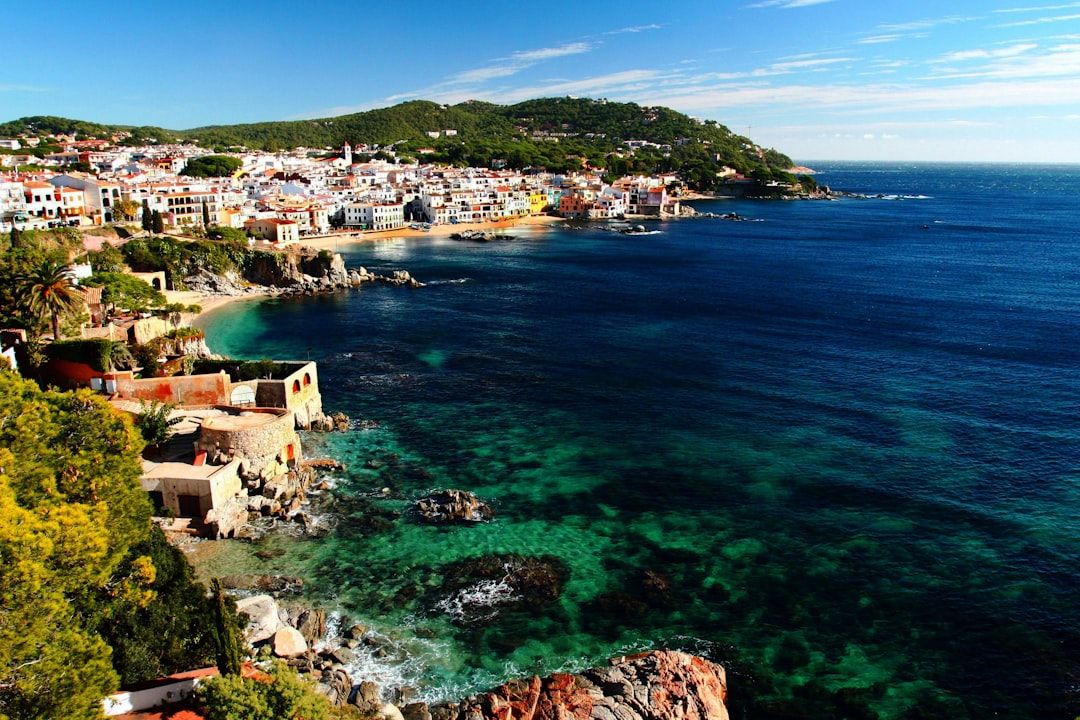
North by car, which is where you want one. The coast between Palafrugell and Cadaqués is the good part: Calella de Palafrugell and Tamariu for whitewashed coves, and the coastal footpath, the Camí de Ronda, linking them.
Cadaqués, further north near the French border, is reached by a slow winding road over the headland and is worth every minute of it — a white village around a bay, with Dalí's house at Portlligat next door.
If you would rather not drive, Sitges south of Barcelona is 35 minutes by train and does a simpler version of the same thing.
Days 7–9: Valencia
Three hours from Barcelona on the Euromed, running along the coast.
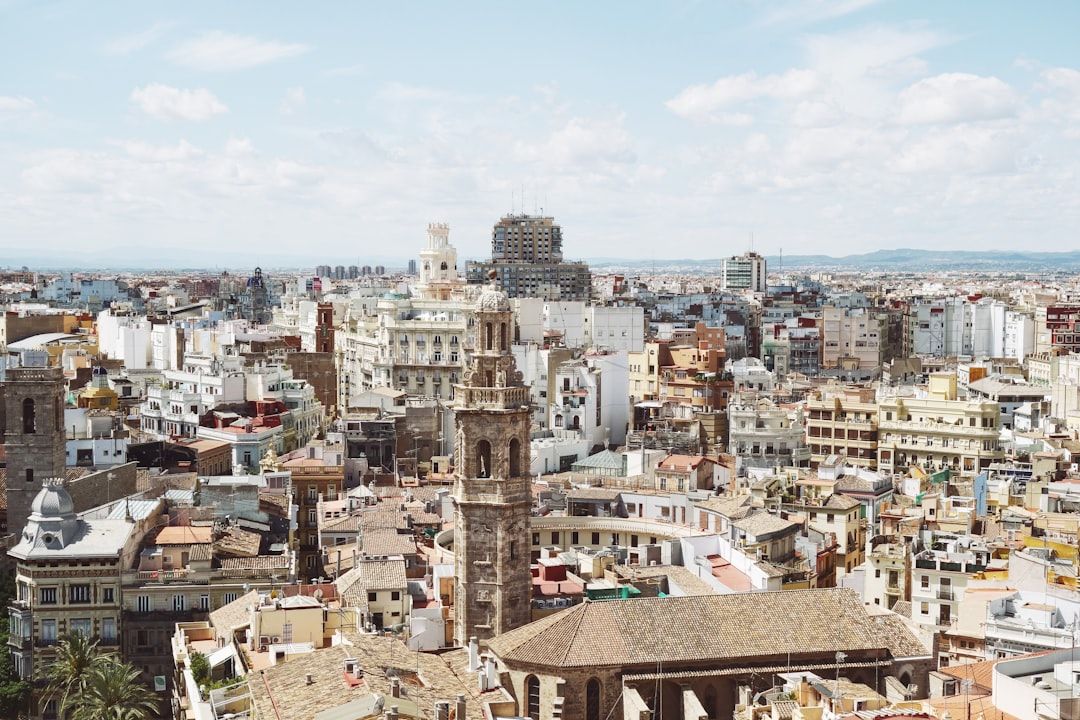
Valencia is Spain's most underrated large city. The old town is compact and handsome, the Mercat Central is one of the great European covered markets, and the Turia — a former riverbed diverted after a flood and turned into a nine-kilometre park through the middle of the city — is the single best piece of urban planning in Spain. Rent a bike and ride its length.
At the far end sits the City of Arts and Sciences, Calatrava's white concrete complex, which photographs better than it functions but is genuinely striking.
Valencia is where paella comes from, and the local version is rabbit and chicken rather than seafood. Eat it at lunch, inland at El Palmar by the Albufera lagoon if you can, and not from anywhere displaying a photograph of it.
Day 10: back, or onward
Valencia to Madrid is 1h40 on the AVE if you want to end there, or fly home from Valencia directly. Barcelona is three hours back up the coast.
Practical
| Leg | Mode | Time |
|---|---|---|
| Barcelona → Girona | AVE | 38 min |
| Barcelona → Costa Brava | Car | 1h30–2h |
| Barcelona → Valencia | Euromed | ~3h |
| Valencia → Madrid | AVE | 1h40 |
Language. Catalonia is bilingual and Valencia speaks Valencian, a variety of Catalan. Spanish works everywhere; a greeting in the local language is noticed.
Timing. This route works better than Andalusia in July and August because the coast moderates the heat. May, June and September are still the best months.
Book the Sagrada Família and Park Güell before anything else. Nothing else on this route needs advance tickets.