Barcelona's problem for a short visit is geography. The Gaudí buildings are spread across the Eixample grid, the medieval core is compact and south of it, and Montjuïc and the beach are separate again. Three days works if each day stays in one zone.
Day 1 — The Gothic Quarter, El Born, La Rambla
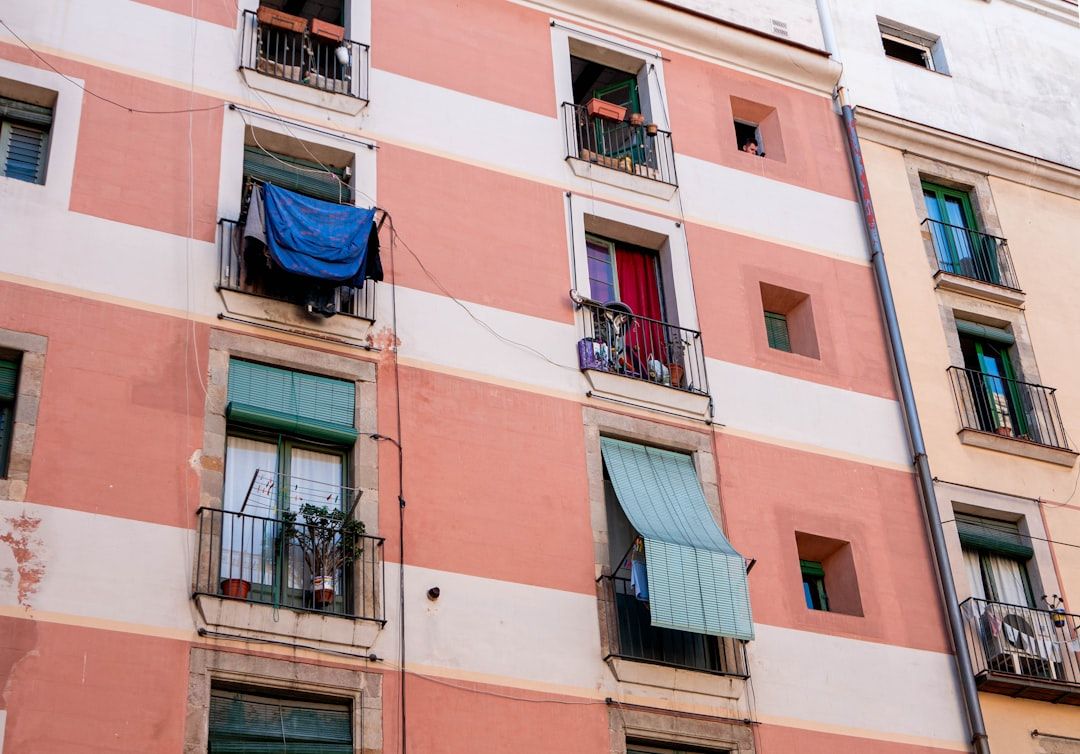
Start at Plaça de Catalunya and walk down into the Barri Gòtic. This is a medieval street plan — narrow, shaded, easy to lose your bearings in, and best explored without a fixed route. The cathedral, Plaça del Rei, Plaça Sant Felip Neri.
Move east into El Born, which is the better half of the old city: Santa Maria del Mar, a genuinely beautiful 14th-century church, the Picasso Museum, and the best concentration of bars in the centre. Carrer de Montcada is the street.
La Rambla itself is worth walking once, early, and is otherwise a crowded corridor of overpriced terraces and pickpockets. La Boqueria market off it is excellent but has become a photo destination; go before 10am or eat at the counters at the back rather than the juice stalls at the front.
Day 2 — Gaudí
This is the day that needs booking.
Sagrada Família in the morning, tickets bought two to four weeks ahead. Allow 90 minutes inside. The interior is the point — the columns branch like trees and the light through the coloured glass moves across the nave through the day, blue and green on the east side in the morning, red and orange in the west by late afternoon. Tower access is a separate ticket and involves a narrow descent.
Then walk down Passeig de Gràcia for Casa Batlló and La Pedrera (Casa Milà), about ten minutes apart. Both charge substantial entry. If you only do one, Casa Batlló has the more extraordinary interior; La Pedrera has the famous chimney roofscape.
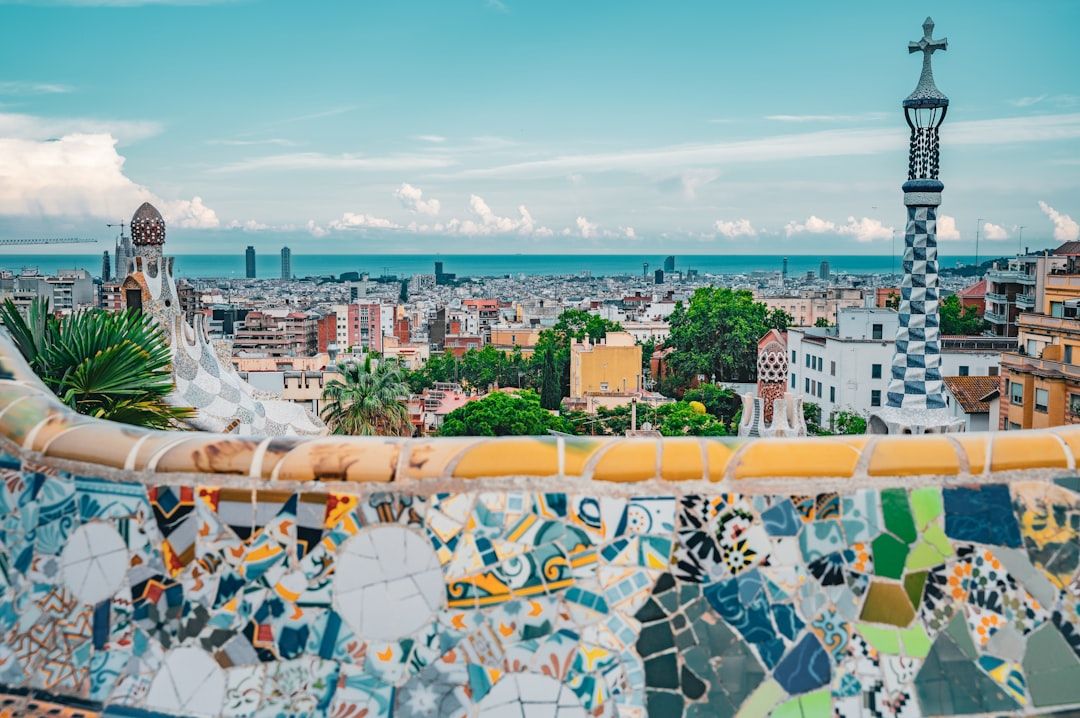
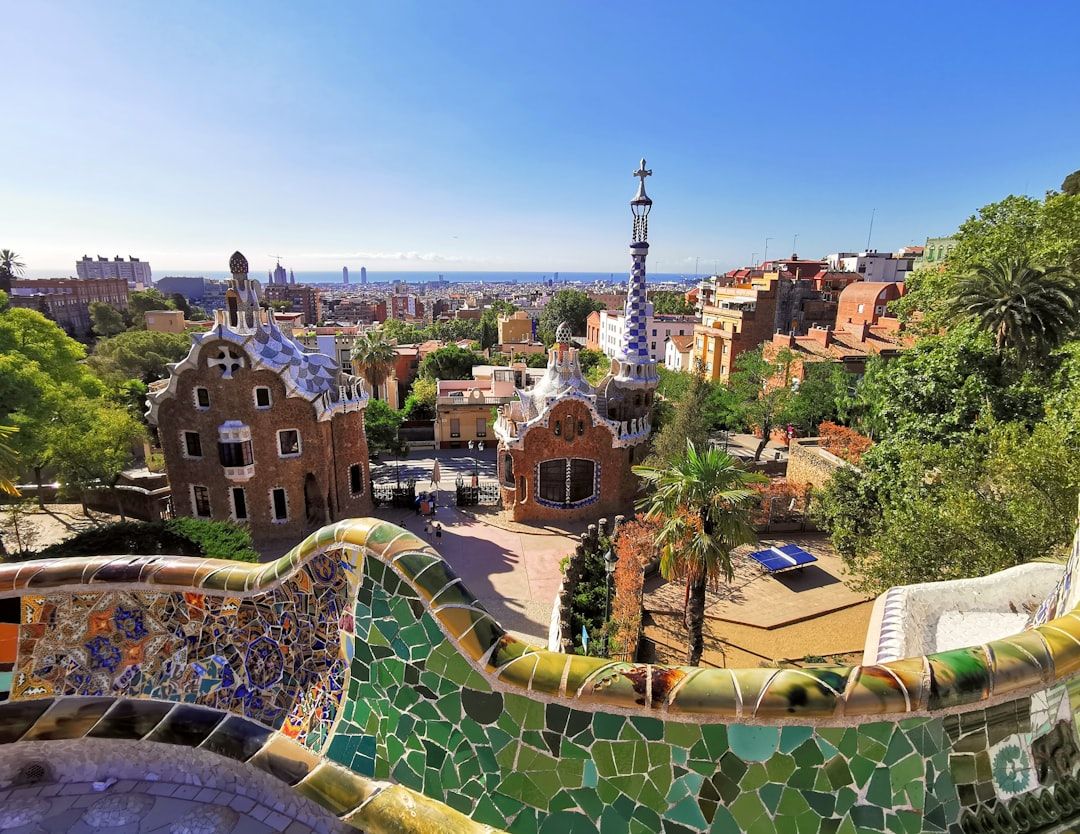
Park Güell in the late afternoon. Book the Monumental Zone — the free part of the park does not include the mosaic terrace everyone comes for. It is uphill from the Metro; the outdoor escalators on Baixada de la Glòria save the climb.
Day 3 — Montjuïc, the beach, or a day trip
Three options depending on weather and appetite.
Montjuïc: the hill south of the centre, reached by funicular or cable car. The Joan Miró Foundation, the MNAC museum in the vast Palau Nacional, the 1992 Olympic ring, and the castle at the top with views over the port. A half day, more if you like museums.
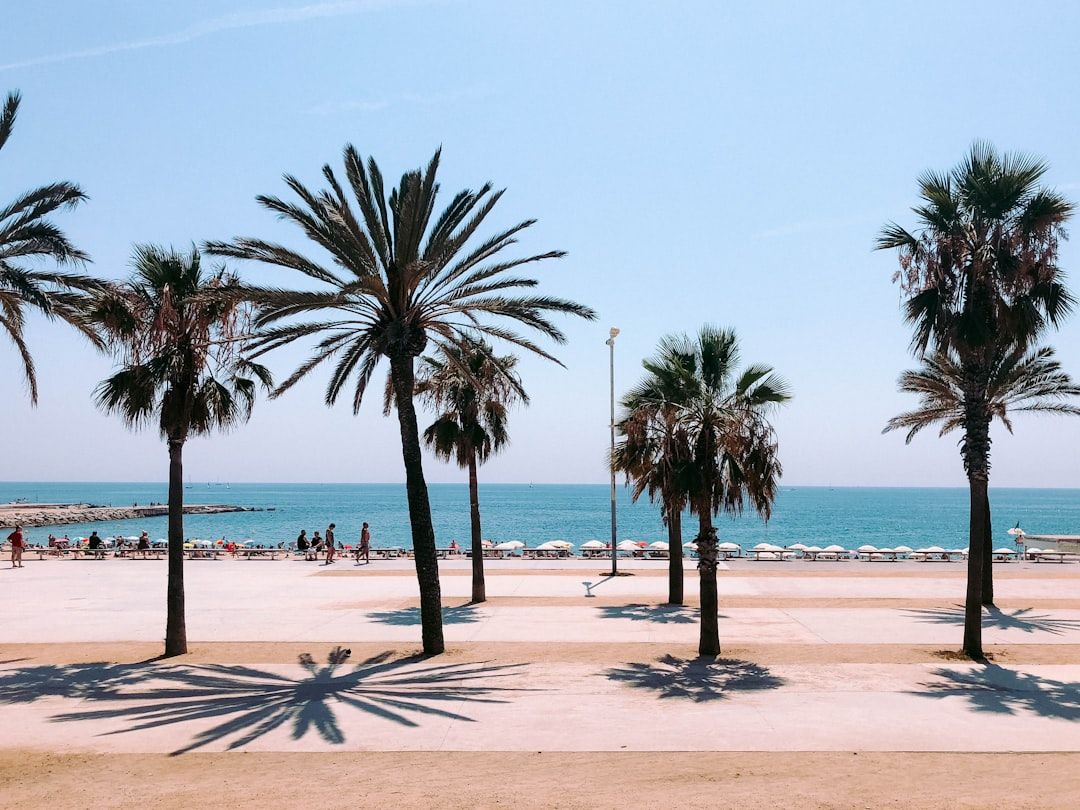
Barceloneta and the beach: the beach is artificial, created for the 1992 Olympics, and is fine rather than spectacular. Barceloneta the neighbourhood is more interesting than the sand — old fishermen's blocks, good seafood, and the walk along the waterfront to the Port Olímpic.
A day trip: Montserrat, an hour out, a serrated mountain with a monastery on it, reached by rack railway or cable car. Girona is 40 minutes by fast train and is a lovely small medieval city. Sitges is 35 minutes down the coast for a better beach than Barcelona's own.
Practical
| Item | Detail |
|---|---|
| T-casual ticket | ~€12.55 for 10 journeys, metro/bus/tram |
| Sagrada Família | Book 2–4 weeks ahead |
| Park Güell | Monumental Zone ticketed, timed |
| Airport | Aerobús ~35 min, or Metro L9 with a change |
Eating times. Lunch runs 1:30 to 3:30pm and dinner starts around 9pm. A restaurant serving at 7pm is serving tourists. Plan an afternoon snack rather than fighting it.
Catalan. The city is bilingual and signage is often Catalan first. Spanish is universally understood, but the distinction matters to people here — bon dia rather than buenos días is noticed and appreciated.
Pickpockets. Take this seriously on La Rambla, the Metro and around the Sagrada Família. Nothing in back pockets, bag in front, phone not on the table.